How Museums Choose Souvenirs
How Museums Choose Souvenirs
Museums are no longer limited to selling postcards, books, and traditional souvenirs. Modern museum stores increasingly offer products that allow visitors to take a piece of the museum’s story, artwork, or cultural identity home with them.
But how do museums decide which souvenirs are worth selling?
The answer usually goes beyond whether a product looks attractive. Museum buyers need to consider cultural relevance, connection to the collection, visitor appeal, price, functionality, quality, storytelling, and retail performance.
Short Answer
Museums typically choose souvenirs based on several key factors:
- Connection to the museum’s collection or exhibition
- Cultural and educational value
- Originality and design
- Visitor demand
- Retail price and perceived value
- Product quality
- Ease of transportation
- Display potential
- Customization opportunities
- Profitability and repeat sales
The strongest museum products usually combine cultural meaning with everyday usability.

1. Does the Product Have a Connection to the Museum?
The first question is often simple:
Why does this product belong in this museum?
A successful museum souvenir should have a clear connection to the institution, its collection, its exhibitions, or its cultural identity.
For example, an art museum might develop products inspired by:
- Famous paintings
- Sculptures
- Artists
- Exhibition themes
- Historical objects
- Architectural elements
- Museum-specific symbols
The stronger the connection, the easier it is for visitors to understand why they should buy it.
A product does not necessarily need the museum logo prominently displayed. Sometimes the artwork or cultural story itself provides a much stronger connection.

2. Is It More Than Just a Souvenir?
Modern museum retail increasingly focuses on products that people can use, display, or enjoy after returning home.
Instead of creating something that simply says “I visited this museum,” buyers may look for products that become part of everyday life.
Examples include:
- Home décor
- Lighting
- Stationery
- Kitchenware
- Textiles
- Jewelry
- Books
- Art prints
- Decorative objects
- Lifestyle accessories
This creates a stronger value proposition.
The visitor is not simply purchasing a souvenir. They are purchasing a piece of the museum experience.
3. Does the Product Tell a Story?
Storytelling is particularly important in cultural retail.
A good museum product should give visitors an easy answer to:
“Why was this product created?”
For example:
Inspired by a specific artwork in the museum's permanent collection.
or:
Created around the visual identity of a special exhibition.
This story can appear on:
- Product packaging
- Hangtags
- Display cards
- Product descriptions
- Museum shop signage
- QR codes
The product becomes much more valuable when the customer understands its cultural background.

4. Is the Design Original?
Museum shoppers often expect something different from what they can find in a normal retail store.
This makes original design an important selection factor.
Museum buyers may look for:
- Exclusive designs
- Artist collaborations
- Museum-specific collections
- Exhibition-inspired products
- Limited editions
- Creative interpretations of artworks
The goal is not simply to put an artwork on an existing product.
The stronger approach is to ask:
How can the artwork become part of the product itself?
For example, a painting can inspire the shape, structure, color, pattern, packaging, or lighting effect of a product.
This creates a more meaningful relationship between art and product design.
5. Can Visitors Easily Take It Home?
A practical consideration is often overlooked:
How easy is the product to carry?
Museum visitors may be traveling tourists. They may have luggage, limited space, or restrictions on what they can take onto a plane.
Products that are:
- Lightweight
- Compact
- Durable
- Easy to package
- Easy to transport
can therefore be attractive for museum retail.
This is especially important for international museums and museums located in major tourist destinations.

6. Is the Price Appropriate?
Museum stores usually serve visitors with very different budgets.
A strong product assortment therefore often includes multiple price levels.
For example:
Entry-level products
- Small souvenirs
- Postcards
- Bookmarks
- Magnets
- Small stationery
Mid-range products
- Home décor
- Decorative objects
- Art-inspired lifestyle products
- Functional design products
Premium products
- Limited editions
- Artist collaborations
- High-quality collectibles
- Special exhibition products
This allows different visitors to participate in the museum's retail experience.
7. Can the Product Be Customized?
Customization can be particularly valuable for museums.
Instead of creating one generic product, museums can develop different collections based on:
- Permanent collections
- Temporary exhibitions
- Artists
- Historical periods
- Cultural themes
- Museum anniversaries
- Seasonal exhibitions
- Special events
This creates opportunities for exclusive museum products that cannot easily be found elsewhere.
Artwork licensing can also allow museums to transform selected works from their collections into new product categories.
8. Does It Work as a Retail Product?
Cultural value is important, but museum shops are still retail businesses.
Buyers need to consider whether visitors will actually purchase the product.
Important retail questions include:
- Is the product immediately understandable?
- Does it attract attention on the shelf?
- Is the price easy to understand?
- Does the packaging look professional?
- Is it easy to display?
- Can customers see its function quickly?
- Does it make a good gift?
- Can it generate repeat purchases?
A beautiful product that stays on the shelf is not necessarily a successful museum retail product.
The best products combine cultural relevance with commercial appeal.
9. Does the Product Photograph Well?
Museum retail is increasingly influenced by visual discovery.
Visitors may photograph products in the museum store and share them on:
- TikTok
- Travel platforms
This means product design can have value beyond the physical store.
Products with strong visual identity, interesting structure, attractive packaging, or recognizable artwork can naturally generate more attention.
For museum retailers, this creates another useful question:
Would a visitor want to photograph this product?
10. Can It Become a Collection?
One successful product can become the starting point for an entire product family.
For example, one artwork could inspire:
- A lamp
- A notebook
- A poster
- A decorative object
- A textile product
- A home décor item
This creates a consistent visual collection.
It also allows museums to build a stronger retail identity around a particular exhibition, artist, or artwork.
Instead of selling individual souvenirs, museums can create coordinated cultural product collections.
Expert Tip
When developing products for museum retail, don't start with:
“What product can we put the artwork on?”
Start with:
“What product can best express the artwork or cultural story?”
This small change in thinking can lead to much stronger products.
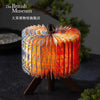
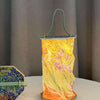
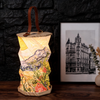
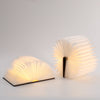
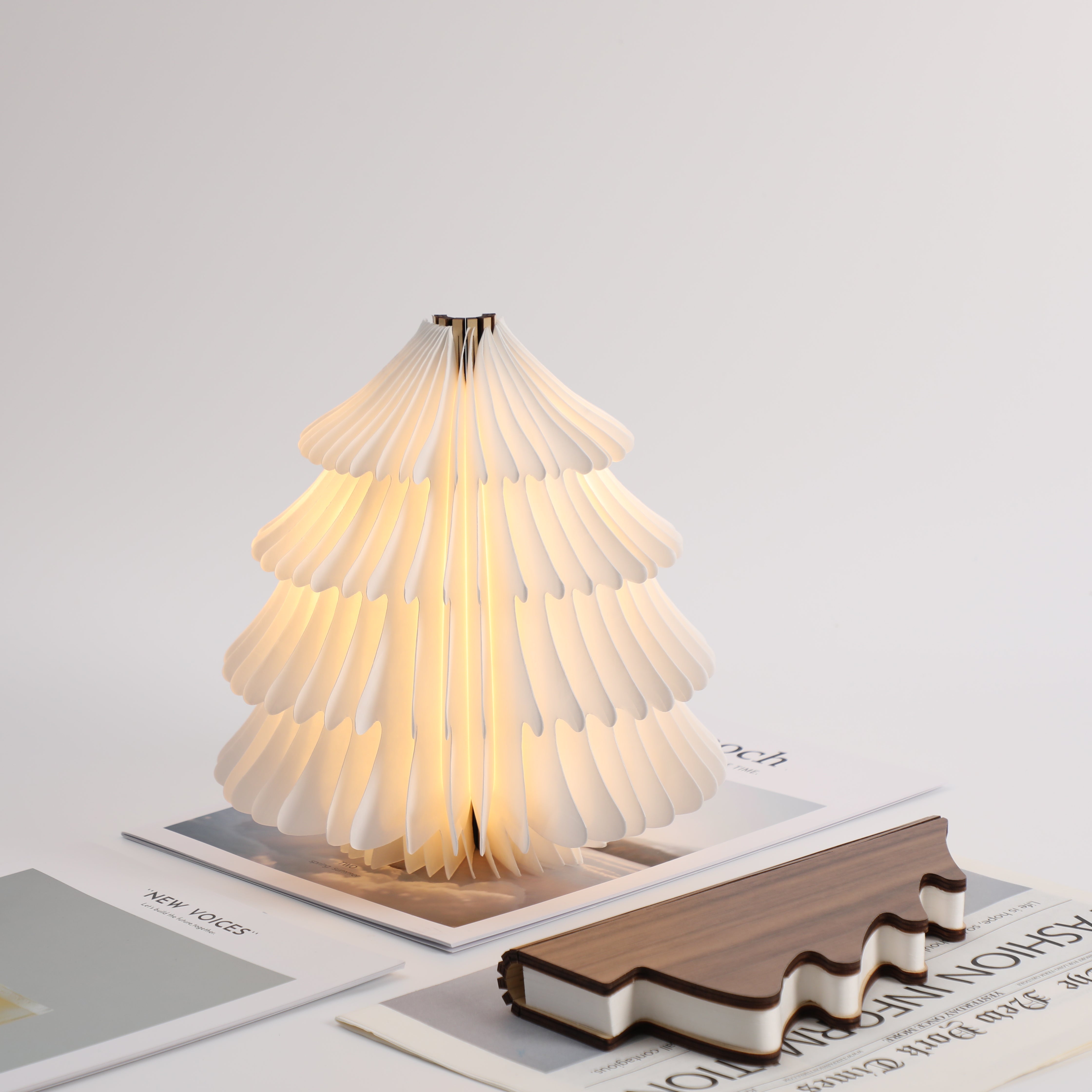
For example, a museum artwork may work better as a decorative lighting product than as another printed postcard because lighting can transform the artwork into an object people interact with at home.
The product should extend the museum experience, rather than simply reproduce the museum's visual identity.
Key Takeaway
Museums choose souvenirs based on more than appearance.
The strongest museum retail products usually combine:
Cultural relevance + Original design + Storytelling + Functionality + Retail appeal
For museums, the ideal souvenir is something visitors want to buy because it reminds them of what they experienced, while also being useful or beautiful enough to remain part of their everyday lives.
This is why the future of museum retail is moving beyond traditional souvenirs toward art-inspired lifestyle products, functional décor, collectible objects, artist collaborations, and exclusive cultural collections.
Related Articles
- What Sells Best in Museum Gift Shops?
- Museum Retail Trends
- Best Museum Souvenir Products
- How to Increase Gift Shop Sales
- Best Products for Museum Stores
- Museum Artwork Licensing: How It Works
- How Museums Create Exclusive Merchandise
- Artist Collaborations in Museum Retail
- Best Products for Cultural Institutions
- How to Develop Products from Artwork
About the Author
Kairos is an international business professional specializing in cultural and creative product development, OEM/ODM manufacturing, and global B2B markets. His work focuses on helping businesses transform creative concepts, artwork, and cultural themes into commercially viable products.
About DECO
DECO is a China-based creative product manufacturer specializing in customized decorative lighting, folding lamps, cultural merchandise, and art-inspired products.
DECO works with businesses, cultural organizations, retailers, and creative brands to develop products based on custom artwork, licensed artwork, artist collaborations, exhibition themes, and cultural collections.
From product development and material selection to customization, packaging, and mass production, DECO provides OEM/ODM support for customers looking to turn creative concepts into physical retail products.