

Retail Products Customers Actually Buy
- Posted by Kairos zheng
- 0 comments

Retail Products Customers Actually Buy
What Makes Customers Choose One Product Over Another?
Retailers have access to thousands of products.
But having a large product selection does not necessarily mean having strong sales.
The real challenge is finding products that customers actually want to purchase.
A product can look interesting in a supplier catalog but perform poorly in a real store.
Another product may look simple but become a best seller because customers immediately understand its value.
So what makes the difference?
Customers are more likely to buy products that are:
- Useful
- Attractive
- Easy to understand
- Affordable
- Relevant to their lifestyle
- Easy to gift
- Different from competing products
The strongest retail products often combine several of these qualities.

Short Answer
Customers tend to buy retail products that provide a clear combination of value, usefulness, design, emotional appeal, and convenience.
Strong categories include:
- Home décor
- Decorative lighting
- Personalized products
- Seasonal merchandise
- Art-inspired products
- Souvenirs
- Collectibles
- Lifestyle products
- Small impulse-buy products
- Licensed merchandise
- Practical accessories
- Exclusive retail collections
The key is not simply finding a “popular product.”
It is finding a product that gives customers a clear reason to buy.
1. Products That Solve a Real Problem
The easiest products to sell are often products that solve something.
Customers already understand why they need them.
Examples include:
- Storage products
- Desk accessories
- Lighting
- Travel accessories
- Organization products
- Household accessories
When a product solves a real problem, the retailer does not need to create the demand from scratch.
The customer already has a need.
The product simply needs to offer a better solution.

2. Products That Look Good
Not every purchase is based on function.
Customers also buy products because they are beautiful.
This is particularly important for:
- Home décor
- Lighting
- Fashion accessories
- Art merchandise
- Lifestyle products
A product with a strong visual identity can create an immediate emotional response.
The customer may not have planned to buy it.
But they see it and think:
“That would look great in my home.”
That moment can turn browsing into purchasing.
3. Products That Are Easy to Understand
Customers do not always want to spend several minutes figuring out how a product works.
Products that communicate their value quickly often have an advantage.
A customer should ideally understand:
What is it?
What does it do?
Why should I want it?
within a few seconds.
This is particularly important for impulse purchases and physical retail.

4. Products With Strong Perceived Value
Customers do not necessarily buy the cheapest product.
They buy products that feel worth the price.
Perceived value can come from:
- Design
- Functionality
- Quality
- Packaging
- Materials
- Storytelling
- Customization
- Exclusivity
A well-designed product may sell for significantly more than a generic product with similar material costs.
This is why retailers should consider value rather than cost alone.
5. Home Décor Customers Actually Want
Home décor is an important retail category because customers often purchase these products based on both function and emotion.
Products can help customers:
- Improve a room
- Create atmosphere
- Express personality
- Add color
- Create a focal point
Examples include:
- Decorative lighting
- Table décor
- Wall décor
- Artistic accessories
- Small decorative objects
The strongest products often have a clear visual identity and can fit naturally into different interior styles.
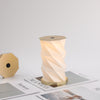
6. Decorative Lighting
Decorative lighting can be especially attractive because it sits between home décor and functional products.
Customers may purchase lighting because it:
- Provides illumination
- Creates atmosphere
- Looks attractive
- Works as decoration
- Makes a unique gift
Creative lighting can also be customized with:
- Artwork
- Holiday designs
- Local landmarks
- Artist patterns
- Cultural themes
- Licensed designs
This creates opportunities for retailers to develop exclusive collections rather than selling generic lighting.
7. Products Customers Can Personalize
Personalized products can create a stronger emotional connection.
Customers may want to add:
- Names
- Initials
- Dates
- Messages
- Artwork
- Locations
Personalization is particularly valuable when customers are buying gifts.
The product becomes more than a standard retail item.
It becomes:
“This was made for them.”
That emotional difference can make customers more willing to purchase.
8. Seasonal Products
Customers often buy products because the timing feels right.
Christmas is the obvious example.
But seasonal demand also exists around:
- Halloween
- Valentine's Day
- Easter
- Mother's Day
- Father's Day
- Summer
- Back-to-school
- Local festivals
Seasonal products work because customers already have a reason to purchase.
The retailer simply needs to offer something that fits the occasion.
9. Products With Local or Cultural Meaning
Customers often purchase products because they represent a place, culture, or experience.
This is particularly strong in:
- Museum shops
- Tourist stores
- Airports
- Cultural attractions
- Destination retailers
Examples include:
- Landmark artwork
- Local artist designs
- Historical images
- Cultural patterns
- Destination-themed décor
The product becomes a physical reminder of an experience.
This gives it emotional value that a generic product may not have.
10. Art-Inspired Products
Art can transform a standard product into something much more distinctive.
A product featuring original or licensed artwork can appeal to:
- Art lovers
- Tourists
- Collectors
- Design-conscious consumers
- Museum visitors
For retailers, art also creates opportunities to develop entire collections.
For example:
One Artist → Multiple Designs → Multiple Products
This can encourage customers to purchase more than one item.
11. Collectible Products
Customers are more likely to purchase multiple products when there is a reason to collect them.
Collections can be based on:
- Artists
- Cities
- Characters
- Animals
- Landmarks
- Holidays
- Cultural themes
The first purchase introduces the customer to the collection.
The second and third purchases become much easier.
This can create:
Impulse Purchase → Collection → Repeat Purchase
12. Products With a “Wow” Factor
Some products sell because customers enjoy discovering how they work.
Examples include products that:
- Fold
- Rotate
- Light up
- Transform
- Reveal artwork
- Change shape
These products can perform particularly well in physical stores because customers can experience them immediately.
A product demonstration can sometimes be more powerful than a long product description.
13. Small Products That Are Easy to Buy
Small products can encourage spontaneous purchases.
They are often:
- Affordable
- Portable
- Easy to display
- Easy to understand
- Easy to gift
Examples include:
- Mini décor
- Small accessories
- Compact lighting
- Desk products
- Souvenirs
- Small creative products
These products can also help retailers increase basket size.
A customer who came in for one item may decide to add another small product.
14. Products Customers Can Give as Gifts
A product does not always have to be purchased for the buyer.
It may be purchased for:
- A friend
- A family member
- A colleague
- A partner
- A teacher
- A business contact
Giftability therefore increases the number of potential purchasing occasions.
Strong gift products are generally:
- Attractive
- Easy to understand
- Appropriately priced
- Easy to carry
- Suitable for different occasions
15. Products With Multiple Uses
Products that can be used in different situations may have stronger perceived value.
For example:
Home Décor + Lighting
Gift + Souvenir
Decoration + Collectible
Lifestyle Product + Seasonal Product
Multiple uses give retailers more opportunities to market the same product.
They can also help customers justify the purchase.
16. Products That Are Difficult to Compare Directly
Price competition becomes harder when products are identical.
If ten stores sell the exact same product, customers can easily compare prices.
But if a product features:
- Exclusive artwork
- Custom design
- Unique construction
- Retailer-exclusive packaging
- Limited-edition designs
the comparison becomes less direct.
This can help retailers protect both pricing and margins.
What Do Customers Look for Before Buying?
Customers often evaluate a product using a combination of simple questions:
Do I Need It?
Does it solve a problem?
Do I Like It?
Does it look good?
Is It Worth the Price?
Does the perceived value justify the cost?
Can I Use It?
Will it fit naturally into my lifestyle?
Can I Give It to Someone?
Would it make a good gift?
Is It Different?
Does it offer something I cannot easily find elsewhere?
If a product can answer several of these questions positively, its retail potential becomes stronger.
Why Some Products Look Good but Don't Sell
A product can be attractive but still fail.
Common reasons include:
The Price Is Too High
Customers may like the product but not enough to purchase it.
The Product Has No Clear Purpose
Customers do not understand why they need it.
It Looks Too Generic
There is no reason to choose it over alternatives.
It Is Difficult to Display
Customers never notice it.
It Has Weak Packaging
The product does not communicate its value.
It Is Not Relevant to the Store's Customers
A good product in the wrong store can still fail.
How Retailers Can Test New Products
Retailers do not always need to make a large initial investment.
A practical approach is to test:
- A small quantity
- Several designs
- Different price points
- Different packaging
- Different display positions
Then monitor:
- Sell-through rate
- Customer feedback
- Repeat purchases
- Basket size
- Best-performing designs
This can help retailers identify winners before committing to larger quantities.
Customization Can Make Products More Sellable
For retailers, customization can turn an ordinary product into an exclusive product.
Possible customization includes:
- Artwork
- Patterns
- Colors
- Local landmarks
- Holiday designs
- Artist collaborations
- Licensed IP
- Packaging
For example:
Museum Store → Famous Artwork
Tourist Shop → Local Landmark
Christmas Retailer → Holiday Collection
Art Brand → Artist Collection
Entertainment Retailer → Licensed Characters
The product itself may be similar.
But the story and design make it different.
Expert Tip
When evaluating a new retail product, don't ask only:
“Will customers buy this?”
Ask:
“Why would customers choose this instead of another product?”
If the answer is simply:
“Because it is cheaper,”
the product may be vulnerable to competition.
A stronger answer is:
“Because it is more beautiful.”
“Because it is unique.”
“Because it tells a story.”
“Because it is exclusive.”
“Because I cannot find this everywhere.”
Those are much stronger reasons to buy.
Key Takeaway
Retail products customers actually buy tend to have a clear combination of:
Usefulness + Design + Value + Relevance + Differentiation
The strongest opportunities include:
- Creative home décor
- Decorative lighting
- Personalized products
- Art-inspired merchandise
- Destination products
- Seasonal collections
- Collectibles
- Small lifestyle products
- Giftable products
- Products with a “wow” factor
- Exclusive retail collections
Retailers should not simply ask what products are currently trending.
They should ask:
What product gives my customer a reason to buy right now?
The best products often create a simple reaction:
“I need this.”
or:
“I want this.”
or:
“This would make a great gift.”
When a product can create one of those reactions quickly, it has a much better chance of becoming a real retail seller.
Related Articles
- What Makes a Retail Product Successful?
- What Products Sell Best in Gift Shops?
- Best Selling Gift Shop Products
- What Products Increase Basket Size?
- What Products Encourage Impulse Purchases?
- What Products Have High Profit Margins?
- What Products Are Easy to Display?
- Best New Retail Products for 2027
- Best Retail Gift Ideas
- Why Are Lifestyle Products Becoming Popular?
About the Author
This article was written by professionals with experience in product development, retail, wholesale, customized manufacturing, and international consumer markets. Through working with retailers, distributors, art brands, museum stores, and product buyers, the team has developed practical insights into product selection, customization, merchandising, and the factors that influence consumer purchasing behavior.
About DECO
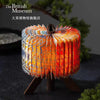
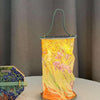
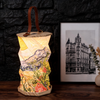
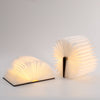
DECO is a creative product manufacturer specializing in customized decorative lighting, folding lamps, innovative lifestyle products, and creative retail merchandise.
With OEM/ODM manufacturing capabilities, DECO supports customization including original artwork, licensed designs, local landmarks, cultural themes, holiday graphics, brand patterns, exclusive collections, and custom packaging.
By combining creative product development, flexible customization, and manufacturing capabilities, DECO helps retailers, wholesalers, art brands, museum stores, souvenir shops, and lifestyle brands develop distinctive products for gift retail, home décor, seasonal collections, art merchandise, and everyday lifestyle markets.

Please select collection from store admin > customize > Collection page > sidebar