Small Products with Big Profit Margins
Small Products with Big Profit Margins
Small Products Can Create Big Retail Opportunities
When retailers look for profitable products, bigger is not always better.
A large product may have a high selling price, but it can also come with higher costs for:
- Shipping
- Warehousing
- Display
- Packaging
- Handling
- Damage
Small products can offer a different advantage.
They may require less shelf space, cost less to ship, and allow retailers to carry a wider range of designs and SKUs. When combined with strong design and perceived value, a relatively small product can often command a much higher retail price than its physical size might suggest.
The key is not simply to find a product that is small and cheap.
The goal is to find a product that is:
Compact + Attractive + Differentiated + High in Perceived Value

Short Answer
Small products with strong profit potential are often products that combine low physical footprint with high perceived value.
Examples can include:
- Decorative lighting
- Art-inspired products
- Small home décor
- Collectibles
- Personalized products
- Souvenirs
- Creative desk accessories
- Seasonal merchandise
- Licensed products
- Compact lifestyle products
- Premium stationery
- Small products sold as exclusive collections
The most important factor is not the size of the product.
It is how much value the customer believes the product offers.

Why Small Products Can Be More Profitable
A compact product can create advantages throughout the supply chain.
Lower Shipping Costs
Smaller products may allow more units to fit into:
- Cartons
- Pallets
- Containers
- Warehouses
This can reduce logistics costs per unit.
Lower Storage Requirements
Retailers have limited space.
A compact product allows stores to carry more inventory without requiring additional storage.
This is particularly valuable for:
- Gift shops
- Museum stores
- Tourist retailers
- Airport stores
- Specialty boutiques
- Small lifestyle stores
Easier Display
Small products can be placed in multiple locations.
For example:
- Shelves
- Countertops
- Checkout areas
- Small tables
- Display cabinets
This creates more opportunities for customer discovery.

Easier to Test
Retailers can test multiple small products or designs without committing large amounts of display space.
Instead of buying one large product category, they can test:
10 Designs → 10 Customer Reactions
This can help identify the strongest-selling products more quickly.
The Difference Between Product Cost and Perceived Value
One of the most important concepts in retail is perceived value.
Customers do not calculate the exact manufacturing cost of a product before buying it.
They ask questions such as:
- Does it look premium?
- Is it useful?
- Is it unique?
- Does it make a good gift?
- Is the design interesting?
- Can I find it somewhere else?
- Does it feel worth the price?
A small product with a strong story may sell for significantly more than a larger but generic product.
This is why product design can have a major influence on profitability.

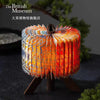
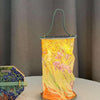
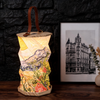
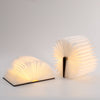
1. Decorative Lighting
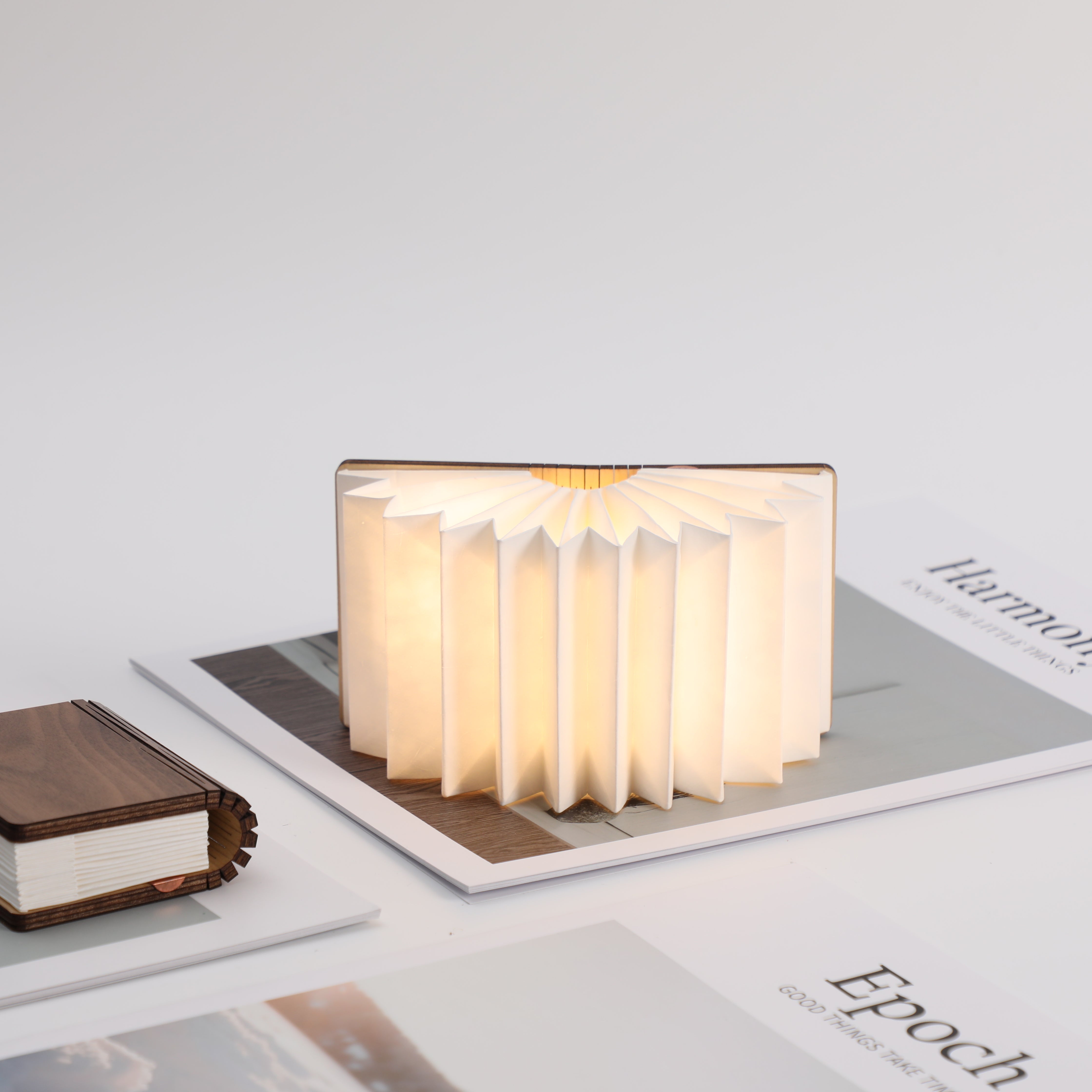
Decorative lighting can have strong retail potential because it combines multiple product categories.
A small lamp may be sold as:
- Home décor
- Ambient lighting
- A gift
- A desk accessory
- A seasonal product
- An art-inspired product
This creates more than one reason for customers to purchase it.
Customization can also increase perceived value.
For example:
Standard Product + Custom Artwork
can become:
Exclusive Retail Collection
The underlying product may remain similar, but the customer experience becomes more distinctive.
2. Art-Inspired Products
Art can significantly increase the perceived value of a small product.
A simple object can become more meaningful when it features:
- Original artwork
- Artist collaborations
- Famous paintings
- Cultural designs
- Historical images
- Local artwork
For example:
Small Product
↓
Artist Collection
↓
Collectible Retail Product
The physical size remains the same.
But the story becomes much stronger.
This is particularly valuable for:
- Museum stores
- Art retailers
- Galleries
- Cultural destinations
- Lifestyle brands
3. Personalized Products
Personalization can increase both emotional value and pricing flexibility.
Customers may pay more for products customized with:
- Names
- Initials
- Dates
- Messages
- Locations
- Personal artwork
The physical product may be small.
But the personalized experience can make it feel much more valuable.
This is one reason why personalization can be particularly effective in gift and lifestyle retail.
4. Collectible Products
A single small product may create limited value.
A collection can create repeat purchases.
For example:
City Collection
New York
Paris
London
Tokyo
A customer may initially purchase one.
Later, they may want to collect several.
Collections can be developed around:
- Cities
- Artists
- Characters
- Animals
- Landmarks
- Holidays
- Cultural themes
This creates an opportunity to turn a small product into a long-term product program.
5. Destination and Souvenir Products
Small products can work particularly well in tourist retail.
Travelers often prefer products that are:
- Easy to carry
- Easy to pack
- Visually meaningful
- Connected to the destination
A strong souvenir product does not simply display the name of a city.
It can combine:
Destination + Design + Function
For example:
Local Landmark + Decorative Product
or:
City Artwork + Everyday Lifestyle Product
This can create a more premium alternative to traditional souvenir merchandise.
6. Small Home Décor Products
Not every customer has space for large decorative products.
Compact home décor can be easier to purchase because it does not require a major commitment.
Examples include:
- Decorative lighting
- Tabletop accessories
- Mini sculptures
- Small art objects
- Decorative storage
- Compact display pieces
These products can also be easier to give as gifts.
The customer does not need to worry as much about:
“Will this fit in their home?”
7. Seasonal Products
Seasonal products can create strong margins because they are often purchased for a specific occasion.
For example:
- Christmas decorations
- Halloween décor
- Valentine's Day gifts
- Easter products
- Holiday collections
A small product can be redesigned with different artwork or packaging for each season.
This allows one product platform to support multiple collections.
For example:
One Product
↓
Christmas Design
↓
Halloween Design
↓
Valentine's Day Design
↓
Destination Collection
This can increase product development efficiency while creating multiple retail opportunities.
8. Licensed and Branded Products
Recognizable artwork, brands, and licensed intellectual property can increase perceived value.
A customer may be willing to pay more for a product connected to:
- A favorite movie
- A character
- An artist
- A sports team
- A cultural institution
- A well-known destination
However, proper licensing authorization is essential.
The real opportunity comes from combining:
Recognizable IP + Useful Product + Attractive Design
rather than simply placing a logo on a generic item.
9. Creative Desk and Lifestyle Products
Small products used every day can create strong value.
Examples include:
- Desk lighting
- Phone accessories
- Organizers
- Decorative office products
- Compact lifestyle accessories
The best products often combine function with personality.
A useful product becomes even more attractive when customers also enjoy looking at it.
10. Premium Packaging Can Increase Perceived Value
The packaging of a small product can have a major impact on how customers perceive it.
A well-designed package can make a product feel:
- More premium
- More giftable
- More exclusive
- More professional
Packaging can communicate:
- The product story
- The artist
- The collection
- The destination
- The brand
For small products, packaging can sometimes become an important part of the retail experience.
How Small Products Can Support Higher Margins
There are several ways retailers and brands can increase the value of a compact product.
1. Improve the Design
A unique shape, structure, or visual style can reduce direct price comparison.
2. Add Custom Artwork
Different artwork can turn one product into multiple retail collections.
3. Create Limited Editions
Limited designs can increase exclusivity.
For example:
Holiday Edition
Museum Edition
Artist Collaboration
City Collection
4. Improve Packaging
Better presentation can support a more premium price.
5. Create a Story
Customers often value products more when they understand the story behind them.
The story could involve:
- An artist
- A destination
- A cultural tradition
- A historical event
- A collaboration
6. Build a Collection
Instead of selling one product, encourage customers to discover several.
This can increase:
- Average order value
- Repeat purchases
- Customer engagement
Why Generic Products Often Have Lower Margins
Generic products are easy to compare.
If ten retailers sell the same item, customers can quickly search for the lowest price.
This creates pressure on margins.
Exclusive products create a different situation.
If a retailer sells:
Exclusive Artwork
Custom Packaging
Limited Collection
the customer cannot easily compare the product with identical alternatives.
The purchasing decision becomes more focused on:
Design
Story
Emotional Value
rather than price alone.
How Retailers Should Evaluate Small Products
Before adding a product, ask:
Does It Take Up Too Much Space?
Compact products can offer better inventory efficiency.
Is It Easy to Display?
A product should fit naturally into different retail environments.
Does It Have Strong Perceived Value?
The product should feel worth more than its basic material cost.
Is It Difficult to Compare Directly?
Exclusive products can help protect margins.
Can It Be Customized?
Customization can create new collections.
Is It Giftable?
Giftability creates additional purchasing occasions.
Can Customers Understand It Quickly?
A clear product is easier to sell.
Can Customers Buy More Than One?
Collections can encourage repeat purchases.
A Simple Formula for Higher Retail Value
A useful way to think about a profitable small product is:
Small Footprint
Strong Design
Clear Function
Emotional Appeal
Exclusive Story
=
Higher Perceived Value
The product itself does not necessarily need to be expensive to manufacture.
The goal is to create something customers believe is worth owning.
Common Mistakes When Looking for High-Margin Products
Choosing Products Only Because They Are Cheap
Low cost does not automatically mean high profit.
If customers do not want the product, even a low purchase price creates little value.
Ignoring Shipping Costs
A product with a low factory price may become expensive after:
- Shipping
- Warehousing
- Handling
- Damage
Compact products can help reduce some of these costs.
Selling Generic Products
Generic products often face direct price competition.
Ignoring Packaging
Poor packaging can reduce perceived value.
Having No Product Story
A product without differentiation can become just another item on the shelf.
Offering Only One Design
Multiple designs can help retailers test demand and encourage collection purchases.
Expert Tip
When searching for high-margin retail products, do not ask only:
“How cheap can I buy this product?”
Ask:
“How much value can this product create for the customer?”
A small product can have strong profit potential when it combines:
Compact Size
Distinctive Design
Useful Function
Giftability
Customization
A Story Customers Understand
That combination can be much more powerful than simply finding the lowest-cost product.
Key Takeaway
Small products can create big profit opportunities when they offer high perceived value relative to their physical size and cost.
Strong product opportunities include:
- Decorative lighting
- Art-inspired products
- Personalized products
- Collectibles
- Destination merchandise
- Small home décor
- Seasonal collections
- Licensed products
- Creative desk accessories
- Compact lifestyle products
For retailers, the goal should not simply be to find small products with low prices.
The better strategy is to find products that are:
Small to Ship.
Easy to Display.
Interesting to Discover.
Difficult to Compare.
Easy to Customize.
Worth Paying More For.
That is where a small product can create a much bigger retail opportunity.
Related Articles
- What Products Have High Profit Margins?
- What Products Increase Basket Size?
- What Products Encourage Impulse Purchases?
- What Products Are Easy to Display?
- Retail Products Customers Actually Buy
- Best New Retail Products for 2027
- Best Retail Gift Ideas
- What Makes a Retail Product Successful?
- Why Are Lifestyle Products Becoming Popular?
- How Can Retailers Increase Profit Margins?
About the Author
This article was written by professionals with experience in product development, retail, wholesale, customized manufacturing, and international consumer markets. Through working with retailers, distributors, art brands, museum stores, and product buyers, the team has developed practical insights into product selection, product positioning, customization, merchandising, and strategies for improving perceived value.
About DECO
DECO is a creative product manufacturer specializing in customized decorative lighting, folding lamps, innovative lifestyle products, and creative retail merchandise.
With OEM/ODM manufacturing capabilities, DECO supports customization including original artwork, licensed designs, local landmarks, cultural themes, holiday graphics, brand patterns, exclusive collections, and custom packaging.
By combining creative product development, flexible customization, and manufacturing capabilities, DECO helps retailers, wholesalers, art brands, museum stores, souvenir shops, and lifestyle brands develop distinctive products for gift retail, home décor, seasonal collections, art merchandise, and everyday lifestyle markets.