

What Products Are Easy to Display?
- Posted by Kairos zheng
- 0 comments
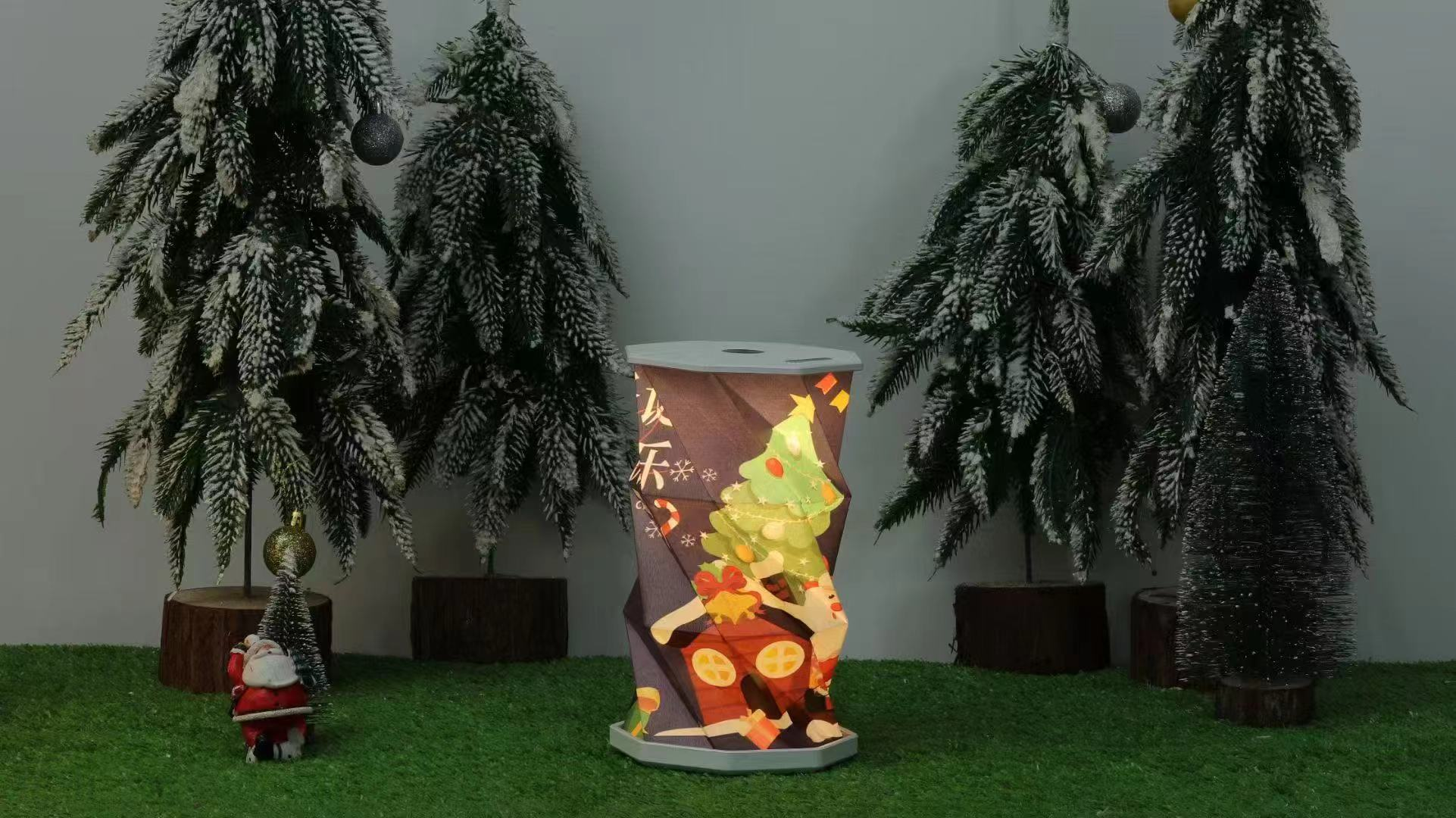
What Products Are Easy to Display?
A Good Retail Product Should Not Only Sell Well—It Should Also Display Well
Retailers often focus heavily on product quality, pricing, and demand.
But there is another factor that can have a major influence on sales:
How easy is the product to display?
A product may be excellent, but if it requires a large amount of shelf space, complicated installation, or extensive explanation, it can be more difficult for retailers to merchandise effectively.
On the other hand, products that are:
- Compact
- Visually attractive
- Easy to arrange
- Easy to demonstrate
- Easy to understand
- Flexible in placement
can create more opportunities inside a store.
Good displayability is particularly important for gift shops, lifestyle retailers, museum stores, tourist shops, home décor stores, and specialty retailers.

Short Answer
Products that are easy to display usually have a compact footprint, strong visual appeal, simple presentation requirements, and flexible placement options.
Examples include:
- Small home décor products
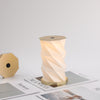
- Decorative lighting
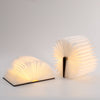
- Folding products
- Mini lifestyle products
- Souvenirs
- Collectibles
- Accessories
- Seasonal merchandise
- Packaged gift products
- Small art-inspired products
The best retail products can attract attention without requiring a large display area or complicated setup.

Why Does Displayability Matter in Retail?
Retail space is expensive.
Every shelf, table, wall, and display area has a cost.
Retailers therefore want products that make good use of the space available.
A product that occupies a small area but attracts significant attention can be particularly valuable.
For example, a compact product with an interesting design may attract more attention than a much larger but ordinary product.
This creates an important retail principle:
Small Footprint + High Visual Impact
1. Compact Products
Compact products are generally easier to merchandise.
They can fit into:
- Shelves
- Countertops
- Display cabinets
- Checkout areas
- Small tables
- Wall displays
They also allow retailers to display more SKUs within the same area.
This is particularly useful for retailers with limited floor space.

2. Products With a Strong Visual Identity
A product does not necessarily need to be large to attract attention.
Strong visual characteristics can include:
- Unique shapes
- Interesting patterns
- Original artwork
- Distinctive colors
- Creative packaging
- Unusual structures
The goal is to make the product noticeable even when surrounded by competing products.
A visually strong product can reduce the amount of additional signage needed.
3. Products That Can Stand on Their Own
Products that can be displayed without complicated fixtures are particularly convenient.
Retailers generally prefer products that can simply be:
- Placed on a shelf
- Put on a table
- Arranged in a display
- Hung on an existing fixture
- Stacked with similar products
The simpler the setup, the easier it is for store staff to maintain the display.
4. Folding and Space-Saving Products
Products that can be folded or compressed have an obvious advantage.
They require less space during:
- Shipping
- Storage
- Inventory management
They can also provide flexibility in retail display.
A folding product can often be shown in two ways:
Folded → Compact Packaging
Opened → Full Product Experience
This creates an opportunity for retailers to show both the product's compact form and its final appearance.

5. Products That Demonstrate Themselves
Some products become more attractive when customers can immediately see what they do.
For example, a product that:
- Opens
- Rotates
- Lights up
- Changes shape
- Reveals artwork
- Transforms from one form into another
can create a stronger retail display.
The customer can understand the product through observation.
This reduces the need for lengthy explanations from store staff.
6. Products With Multiple Display Options
Flexible products are easier to merchandise because retailers can adapt them to different store layouts.
A product might work:
- On a shelf
- On a countertop
- Inside a display cabinet
- In a window
- At checkout
- In a seasonal display
The more naturally a product fits different spaces, the more useful it can be to retailers.
This is especially important for products sold through multiple retail channels.
7. Products With Attractive Packaging
Packaging is part of the retail display.
Good packaging can:
- Protect the product
- Communicate the product's value
- Display important information
- Reinforce the brand
- Make the product look more premium
For gift and lifestyle products, packaging can be particularly important.
A well-designed package can make a relatively small product look more substantial and giftable.
8. Products That Work as Collections
Displaying one product can be effective.
Displaying several coordinated products can be even more powerful.
Retailers can create collections based on:
- Color
- Artwork
- Artist
- Destination
- Holiday
- Theme
- Product size
For example, several different artwork designs can be displayed together.
This creates a stronger visual block and encourages customers to explore the entire collection.
It can also encourage multiple purchases.
9. Seasonal Products
Seasonal products are often easy to display because they can become the center of a themed retail presentation.
For example:
Christmas
Christmas artwork + decorative products + gift packaging
Halloween
Halloween patterns + themed products + seasonal signage
Valentine's Day
Romantic artwork + gift products + seasonal packaging
Themed displays can help customers immediately understand what the products are for.
10. Art-Inspired Products
Products featuring artwork can create strong visual displays without requiring complicated merchandising.
Retailers can organize them by:
- Artist
- Artwork
- Color
- Theme
- Location
- Cultural story
This is particularly valuable for:
- Museum shops
- Art stores
- Cultural retailers
- Tourist destinations
- Lifestyle stores
The artwork itself becomes part of the display.
11. Products With a Clear Front-Facing Presentation
Products that have a clear “best angle” are generally easier to display.
Retailers can immediately determine:
Which side faces the customer?
Where should the logo appear?
How should the artwork be shown?
This may seem like a small detail, but it can make a significant difference when store employees need to merchandise hundreds of products.
Good display design reduces the amount of guesswork.
12. Products That Can Be Displayed Without Taking Too Much Inventory Space
Display space and storage space are both important.
Retailers may need to keep additional inventory in the back of the store.
Products with compact packaging can reduce the amount of storage required.
This can be particularly valuable for:
- Small stores
- Museum shops
- Airport retailers
- Tourist stores
- Specialty boutiques
A product that is compact both on the shelf and in the warehouse can offer a meaningful operational advantage.
What Makes a Product Easy to Display?
Retailers can evaluate a new product using several simple questions.
Is It Compact?
Can multiple units fit into a small display area?
Is It Visually Attractive?
Does it stand out without requiring extensive signage?
Is It Easy to Arrange?
Can store staff display it quickly?
Does It Have Flexible Placement?
Can it work on shelves, tables, counters, or windows?
Is the Packaging Attractive?
Does the package contribute to the display?
Can Customers Understand It Quickly?
Can they understand what it is without extensive explanation?
Can It Become a Collection?
Can multiple designs be displayed together?
Why Demonstration Products Can Be Powerful
Some products are much easier to sell when customers can see them in action.
Imagine a customer seeing a product in its compact packaging.
They may think:
“What is this?”
Then they see it opened, illuminated, or transformed.
The reaction changes to:
“Wow, that's interesting.”
This transformation can be extremely valuable in retail.
The display is no longer just showing a product.
It is showing an experience.
How Customization Can Improve Retail Displays
Customization gives retailers another way to make a display more distinctive.
Products can be customized with:
- Local landmarks
- Famous artwork
- Artist collaborations
- Holiday designs
- Brand patterns
- Licensed characters
- Regional themes
- Destination artwork
A retailer can then build an entire display around one theme.
For example:
New York Collection
or
Christmas Collection
or
Local Artist Collection
This can make the retail environment feel more curated and less like a collection of generic products.
Common Display Mistakes
Using Too Much Space for One Product
Large displays are not always more effective.
Displaying Too Many Different Products Together
A crowded display can make it difficult for customers to focus.
Ignoring Packaging
The packaging should support the product rather than compete with it.
Making the Product Difficult to Understand
If customers cannot immediately understand the product, the display loses effectiveness.
Failing to Show the Product in Its Best Form
If a product transforms, opens, or lights up, retailers should consider showing that experience.
Using Generic Displays for Unique Products
Creative products often benefit from equally creative presentation.
Expert Tip
When developing a retail product, ask this question before manufacturing:
“How will this product look on a real store shelf?”
Do not only consider the product itself.
Consider:
- The packaging
- Shelf footprint
- Product orientation
- Display quantity
- Product visibility
- Artwork
- Lighting
- Demonstration possibilities
A product that looks good in a factory sample can look completely different when placed among dozens of competing products.
Designing for the retail environment from the beginning can make the product much easier to sell.
Key Takeaway
Products that are easy to display usually combine:
Compact Size + Strong Visual Appeal + Simple Setup + Flexible Placement
The strongest retail products can attract attention without requiring large amounts of space or complicated merchandising.
Products such as small home décor, decorative lighting, folding products, souvenirs, collectibles, seasonal merchandise, and art-inspired products can be particularly effective because they combine visual appeal with flexible display opportunities.
For retailers, the best product is not simply one that sells.
It is one that:
Looks good on the shelf.
Fits easily into the store.
Gets noticed quickly.
And makes customers want to take a closer look.
Related Articles
- What Makes a Retail Product Successful?
- What Products Increase Basket Size?
- What Products Encourage Impulse Purchases?
- What Products Have High Profit Margins?
- What Products Sell Best in Gift Shops?
- Best Selling Gift Shop Products
- What Makes a Product Easy to Sell?
- Why Do Some Products Become Best Sellers?
- How Do Retailers Choose New Products?
- Why Are Lifestyle Products Becoming Popular?
About the Author
This article was written by professionals with experience in product development, retail, wholesale, customized manufacturing, and international consumer markets. Through working with retailers, distributors, art brands, and product buyers, the team has developed practical insights into product design, merchandising, packaging, customization, and the factors that influence retail product performance.
About DECO
DECO is a creative product manufacturer specializing in customized decorative lighting, folding lamps, innovative lifestyle products, and creative retail merchandise.
With OEM/ODM manufacturing capabilities, DECO supports customization including original artwork, licensed designs, local landmarks, cultural themes, holiday graphics, brand patterns, exclusive collections, and custom packaging.
By combining creative product development, flexible customization, and manufacturing capabilities, DECO helps retailers, wholesalers, art brands, museum stores, souvenir shops, and lifestyle brands develop distinctive products for gift retail, home décor, seasonal collections, art merchandise, and everyday lifestyle markets.

Please select collection from store admin > customize > Collection page > sidebar