What Products Encourage Impulse Purchases?

What Products Encourage Impulse Purchases?
Some Products Are Planned. Others Create an Immediate “I Want This” Moment.
Not every retail purchase is carefully planned.
A customer may enter a store looking for one specific product and leave with something completely different.
Perhaps they notice a small decorative item near the checkout.
Perhaps they see a product demonstrated in action.
Perhaps a seasonal design immediately catches their attention.
The customer was not actively looking for the product.
But something about it created a quick emotional reaction:
“That's interesting.”
Then:
“I'll take one.”
That is the power of an impulse purchase.
For retailers, products that encourage impulse buying can help increase both sales and average basket size.

Short Answer
Products that encourage impulse purchases are usually:
- Visually attractive
- Easy to understand
- Affordable relative to the customer's main purchase
- Easy to carry
- Easy to gift
- Fun, surprising, or emotionally appealing
- Positioned where customers can easily notice them
Strong examples include:
- Small lifestyle products
- Seasonal merchandise
- Novelty products
- Mini versions of popular products
- Souvenirs
- Collectibles
- Creative home décor
- Checkout items
- Limited-edition products
- Products with a strong “wow” factor
The best impulse products create an immediate feeling of:
“I wasn't looking for this, but I want it.”

Why Do People Make Impulse Purchases?
Impulse purchases are often driven by a combination of:
Attention + Emotion + Convenience + Low Decision Effort
The customer sees something interesting.
They quickly understand it.
The price feels acceptable.
And purchasing it feels easy.
Unlike a major purchase, an impulse product usually does not require:
- Extensive research
- Long comparisons
- Multiple approvals
- A complicated explanation
The easier the decision, the more suitable the product may be for impulse buying.
1. Small and Affordable Products
Price plays an important role in impulse purchasing.
Customers are generally more comfortable making spontaneous decisions when the financial risk feels low.
This does not mean that every impulse product needs to be cheap.
The more important factor is whether the price feels reasonable relative to the product's perceived value.
Popular examples include:
- Small accessories
- Mini home décor
- Desk products
- Small souvenirs
- Compact lifestyle products
- Creative gadgets
The product should feel like an easy addition rather than a major purchasing decision.

2. Products With Strong Visual Appeal
Customers often make impulse purchases because something catches their eye.
A product may stand out because of:
- An unusual shape
- Bright or distinctive artwork
- Interesting packaging
- A unique pattern
- A creative display
- An unexpected visual feature
In physical retail, the product often has only a few seconds to attract attention.
A strong visual identity can encourage customers to stop and take a closer look.
3. Products That Create a “Wow” Moment
Some of the strongest impulse products have an element of surprise.
The product might:
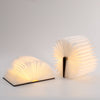
- Unfold
- Rotate
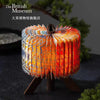
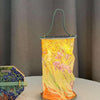
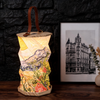
- Light up
- Change shape
- Reveal hidden artwork
- Have an unexpected function
These products can create an immediate emotional reaction.
The customer does not need to spend several minutes understanding why the product is interesting.
The experience communicates the value quickly.
This is particularly effective in gift shops, museum stores, tourist retail, and lifestyle stores.
4. Seasonal and Limited-Edition Products
Seasonality can encourage faster purchasing decisions.
Customers may feel that if they do not buy the product now, it may not be available later.
Examples include:
- Christmas products
- Halloween merchandise
- Valentine's Day products
- Easter collections
- Summer designs
- Local festival merchandise
Limited editions can create a similar effect.
A product may become more attractive when customers know that the design is:
- Available for a limited time
- Part of a seasonal collection
- Produced in limited quantities
- Connected to a special event
The combination of urgency and exclusivity can make spontaneous purchases more likely.
5. Products That Are Easy to Understand
Complex products are less suitable for impulse buying.
If customers need a long explanation, they may delay the decision.
A strong impulse product should answer three questions almost immediately:
What is it?
What does it do?
Why is it interesting?
For example, a decorative product that also provides lighting communicates its value quickly.
Customers can see the design and understand the function at the same time.

6. Mini Versions of Popular Products
Smaller versions of successful products can be highly effective for impulse purchases.
A customer may like a larger product but hesitate because of the price.
A compact version can provide:
- A lower price point
- Easier portability
- Easier gifting
- An opportunity to purchase more than one design
Mini products can also work as:
- Souvenirs
- Small gifts
- Travel products
- Checkout items
- Collectibles
This creates an easier entry point for customers.
7. Products With Gift Appeal
Customers often make spontaneous purchases because they immediately think of someone.
For example:
“This would be perfect for my friend.”
Or:
“My mother would love this.”
Products with strong gift appeal can perform well because customers are not only shopping for themselves.
The strongest giftable products are often:
- Easy to understand
- Visually interesting
- Appropriately priced
- Easy to carry
- Suitable for multiple occasions
A product that can trigger an immediate connection with a potential recipient has a strong advantage.
8. Collectible Products
Collections can encourage customers to purchase more than one item.
For example:
City Collection
Different cities or landmarks.
Artist Collection
Different illustrations or artworks.
Holiday Collection
Different seasonal designs.
Character Collection
Different characters or visual themes.
Once customers understand that there are multiple versions, the purchase becomes more than buying one product.
It can become the beginning of a collection.
This can increase both:
Impulse Purchases + Basket Size + Repeat Purchases

9. Small Products Near the Checkout
Checkout areas are ideal for products that require very little explanation.
The customer has already decided to buy something.
Now the retailer has an opportunity to introduce a small additional purchase.
Suitable checkout products are usually:
- Compact
- Affordable
- Easy to understand
- Easy to carry
- Visually attractive
Examples include:
- Small souvenirs
- Mini decorative products
- Greeting cards
- Accessories
- Seasonal items
- Small creative lifestyle products
However, the products should still match the retailer's overall brand and customer profile.
10. Products That Encourage Self-Purchase
Not every impulse purchase is a gift.
Sometimes customers simply see something they like.
Home décor and lifestyle products can be particularly strong because they often create an emotional response.
The customer imagines:
“That would look great on my desk.”
Or:
“That would look good in my home.”
This is why visually distinctive products can be effective even when the customer had no original intention of buying them.
The product creates a new desire.
11. Products With a Story
Storytelling can also encourage spontaneous purchases.
A customer may be more interested in a product when they learn that it is connected to:
- A famous city
- A local landmark
- An artist
- A cultural tradition
- A historical story
- A special event
This is particularly important in:
- Museum stores
- Tourist shops
- Art retailers
- Cultural attractions
The customer may not simply be purchasing an object.
They may be purchasing:
A Memory + A Story + A Product
That emotional connection can make an impulse purchase feel more meaningful.
12. Products With Strong Perceived Value
Impulse buying does not always depend on the lowest price.
Customers still want to feel that they are getting something worthwhile.
A product can have strong perceived value through:
- Good design
- Useful functionality
- Quality materials
- Attractive packaging
- Custom artwork
- Exclusivity
- Personalization
The goal is to create a reaction like:
“This is better than I expected for the price.”
That combination can make a spontaneous purchase feel easier to justify.
Where Should Impulse Products Be Placed?
Even a good impulse product may not perform well if customers never notice it.
Retailers should consider placing these products:
- Near checkout counters
- At the entrance
- Next to popular products
- In seasonal displays
- Near product demonstrations
- In high-traffic areas
Placement should feel natural.
For example, a small seasonal product can be displayed near a larger seasonal collection.
A mini product can be placed next to the full-size version.
A complementary accessory can sit beside the main product.
The easier it is for customers to notice the connection, the stronger the cross-selling opportunity.
How Should Retailers Choose Impulse Purchase Products?
Before adding a new impulse product, retailers should ask:
Does It Catch Attention Quickly?
The product should stand out visually.
Can Customers Understand It in Seconds?
The value should be obvious.
Is the Price Easy to Accept?
The purchase should not require a major financial decision.
Is It Easy to Carry?
Compact products often work particularly well.
Does It Have Gift Appeal?
Customers may buy spontaneously when they think of someone else.
Does It Create an Emotional Reaction?
Surprise, humor, nostalgia, beauty, or curiosity can all encourage buying.
Can It Be Displayed Effectively?
A good impulse product should work well in high-visibility areas.
Common Mistakes Retailers Make
Choosing Products Only Because They Are Cheap
Low price alone does not create demand.
The product still needs to attract attention and offer perceived value.
Offering Too Many Options
Too much choice can slow down purchasing decisions.
Choosing Products That Need a Long Explanation
Impulse products should be easy to understand.
Ignoring Product Placement
A great product cannot generate an impulse purchase if customers do not see it.
Forgetting About Design
Visual appeal is often the first reason customers stop.
Using Random Checkout Products
Impulse products should still match the retailer's customer base and brand identity.
Expert Tip
The best impulse products often answer this question:
“Can a customer understand why they want this within five seconds?”
If the answer is yes, the product has strong potential.
The product may be:
- Useful
- Funny
- Beautiful
- Surprising
- Seasonal
- Collectible
- Giftable
But the reason to buy should be immediately clear.
The less effort required to understand the product, the easier it may be to turn curiosity into a purchase.
Key Takeaway
Products that encourage impulse purchases usually combine:
Visual Attention + Emotional Appeal + Easy Understanding + Strong Perceived Value
Strong categories include:
- Small lifestyle products
- Mini products
- Seasonal merchandise
- Limited editions
- Souvenirs
- Collectibles
- Creative home décor
- Giftable products
- Products with a “wow” factor
The best impulse product does not need to convince customers through a long sales presentation.
It simply needs to create a quick reaction:
“That's interesting.”
Followed by:
“I'll take one.”
For retailers, creating more of these moments can help increase sales, basket size, and product discovery while giving customers something they genuinely enjoy buying.
Related Articles
- What Products Increase Basket Size?
- What Makes a Retail Product Successful?
- What Products Sell Best in Gift Shops?
- Best Selling Gift Shop Products
- What Makes a Product Easy to Sell?
- Why Do Some Products Become Best Sellers?
- How Do Retailers Choose New Products?
- What Products Have High Profit Margins?
- How Can Retailers Increase Average Order Value?
- What Makes a Product Giftable?
About the Author
This article was written by professionals with experience in product development, retail, wholesale, customized manufacturing, and consumer product marketing. Through working with retailers, distributors, art brands, and product buyers, the team has developed practical insights into product selection, merchandising, customization, and the factors that influence spontaneous purchasing behavior.
About DECO
DECO is a creative product manufacturer specializing in customized decorative lighting, folding lamps, innovative lifestyle products, and creative retail merchandise.
With OEM/ODM manufacturing capabilities, DECO supports customization including original artwork, licensed designs, local landmarks, cultural themes, holiday graphics, brand patterns, exclusive collections, and custom packaging.
By combining creative product development, flexible customization, and manufacturing capabilities, DECO helps retailers, wholesalers, art brands, museum stores, souvenir shops, and lifestyle brands develop distinctive products for gift retail, home décor, seasonal collections, art merchandise, and everyday lifestyle markets.