Cultural Home Décor: How Art, Heritage, and Place Shape Modern Interiors

Cultural Home Décor: How Art, Heritage, and Place Shape Modern Interiors
Introduction
A home can reveal more than someone's taste in color or furniture. The objects people choose may reflect where they have traveled, the art they admire, the traditions they value, or the places they consider meaningful.
This is one reason cultural home décor has enduring appeal. It brings references to art, history, craftsmanship, architecture, and local identity into everyday surroundings.
For consumers, culturally inspired objects can make a space feel more personal. For home décor brands, museums, retailers, and product developers, cultural design offers a way to create collections with a stronger identity than generic decorative products.
The opportunity, however, is not simply to reproduce traditional patterns or recognizable landmarks. The challenge is to translate cultural meaning into products that feel relevant to contemporary living while respecting the context from which the designs originate.

What Is Cultural Home Décor?
Cultural home décor refers to decorative objects and functional home products inspired by a particular culture, artistic tradition, historical period, community, or place.
The inspiration may come from traditional crafts, architecture, paintings, regional materials, local landscapes, historical objects, or contemporary artists.
Unlike a generic decorative trend, a culturally inspired product often has a story behind its design.
That story might explain a pattern's origins, the architecture behind a silhouette, the artist who created an image, or the connection between a product and a particular destination.
Cultural home décor does not need to look traditional. A modern lamp inspired by historic architecture or an abstract accessory influenced by a regional color palette can communicate cultural references without reproducing an entire historical object.

Why Cultural Design Makes a Home Feel More Personal
Modern interiors often combine practical furniture with carefully selected decorative objects. Cultural references can make those objects feel more individual and meaningful.
Objects can preserve memories of places
A decorative object inspired by a city, museum, or landmark may remind someone of a memorable trip or a place with personal significance.
Unlike a generic souvenir, a well-designed home accessory can remain visually appropriate long after the trip has ended.
Art can connect personal interests with everyday living
People who appreciate painting, sculpture, architecture, or historical design may want to incorporate those interests into their homes.
Art-inspired lighting, decorative objects, books, and tabletop accessories provide ways to do this without turning every room into a gallery.

Cultural references can add depth to a space
A room may contain beautiful objects but still feel impersonal if every item looks interchangeable.
Objects with a recognizable cultural, artistic, or historical connection can introduce contrast, conversation, and a sense of individuality.
The most successful interiors usually balance these objects with the surrounding furniture, materials, and colors rather than filling every surface with competing visual references.
From Traditional Inspiration to Contemporary Design
One of the most interesting aspects of cultural home décor is the relationship between heritage and modern design.
A traditional motif does not have to be reproduced exactly to inspire a contemporary product. Designers can interpret its geometry, rhythm, color, material, or underlying story.
For example, architectural details may influence the silhouette of a decorative lamp. Traditional textile patterns may inspire a contemporary printed surface. Historical artwork may inform a modern color palette or decorative composition.
This approach can preserve a connection to the original inspiration while creating products that fit modern homes.
It also gives designers more flexibility than simply placing an unchanged image onto a standard product.
However, cultural interpretation requires care. Designers should understand the source material, avoid misleading historical claims, and consider whether a symbol or design has particular cultural or religious significance.
How Cultural Home Décor Can Reflect a Place
Place-based design is especially relevant to travelers, destination retailers, cultural institutions, and brands seeking distinctive collections.
A place can be represented through much more than its most famous landmark.
Its identity may also be expressed through:
-
Local architecture and urban forms
-
Regional landscapes and natural features
-
Artistic traditions and color palettes
-
Historical events and cultural heritage
-
Local artists and contemporary creative communities
-
Materials and craft techniques associated with the region
Consider a city-inspired collection. One product might feature architectural details, another might interpret the local landscape, and a third might use artwork by a regional artist.
Together, these products can communicate a richer sense of place than a collection made entirely of identical landmark illustrations.
For retailers, this approach can also support a recognizable collection identity across several product formats.
Cultural Home Décor and the Museum Retail Opportunity
Museums occupy a distinctive position in cultural product development because they connect visitors with art, history, science, and cultural heritage.
Their retail products can extend that experience beyond the exhibition.
A painting might inspire a print, a publication, a decorative object, or a lighting product. An architectural collection might lead to contemporary accessories based on the building's form. A historical exhibition might inspire products that interpret a particular period through color, pattern, and material.
The goal is not simply to put the museum's name on merchandise.
A strong product should have a clear connection to the collection or exhibition and provide value in its own right.
For museum shops and their manufacturing partners, product selection should consider the audience, exhibition duration, retail price, packaging, display requirements, production schedule, and relevant rights.
How Brands Can Develop a Cultural Home Décor Collection
For retailers and product developers, a coherent collection usually begins with a clear creative direction.
Rather than combining unrelated cultural references, brands can organize the collection around one defined concept.
An artist or artwork
A collection can translate approved artwork into several complementary home products.
A city or destination
Products can explore architecture, local landscapes, cultural landmarks, and regional artistic identity.
A historical period
Materials, colors, shapes, and decorative techniques can provide a consistent design language.
A craft tradition
A collection can draw inspiration from particular materials, construction methods, or decorative practices, provided the source is represented accurately and respectfully.
A museum or exhibition
The collection can extend the visitor experience through products that reflect the institution's specific content.
Once the theme is established, product developers can decide which formats best express the idea.
For example, artwork may work well on a printed surface, while architectural inspiration may be better communicated through structure and shape. A cultural narrative may benefit from packaging that explains the design's origin.
This keeps the collection focused while allowing individual products to serve different functions.
What Makes a Culturally Inspired Product Successful in Retail?
A strong cultural concept does not guarantee commercial success. Buyers still need to evaluate the product as a retail item.
Five considerations are particularly important.
1. Authenticity
The cultural reference should be accurate, well researched, and appropriately represented.
2. Contemporary relevance
The product should fit the intended customer's lifestyle and interior preferences.
3. Product quality
Materials, finishing, printing, construction, and packaging must support the intended price positioning.
4. Storytelling
Customers should be able to understand what inspired the product and why that connection matters.
5. Collection potential
A successful concept may support additional designs, coordinated products, seasonal releases, or destination-specific editions.
Retailers should also confirm intellectual property permissions and any applicable cultural or institutional requirements before commercial production.
The Role of Materials and Function
Cultural design becomes particularly interesting when the story is expressed through the product itself.
Materials, texture, structure, and function can all contribute to the interpretation.
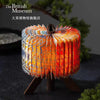
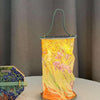
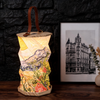
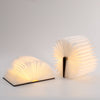
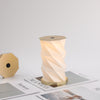
A product inspired by traditional paper arts, for example, may explore folding and layered surfaces. A design influenced by architecture may emphasize geometric structure. An artwork-inspired lamp may combine a printed image with illumination to create a different viewing experience.
These connections can make the cultural reference feel integrated into the design rather than added as decoration.
For manufacturers, this requires collaboration between creative development and technical production. The design must work visually, but it must also be feasible to manufacture, package, transport, and reproduce consistently.
Expert Tip: Design Around the Story, Not Just the Symbol
When developing culturally inspired home décor, it is tempting to start with a recognizable symbol or landmark.
A more effective approach is to understand the story first.
Ask what makes the place, artwork, or tradition distinctive. Is it the color palette, architectural structure, material, historical context, or relationship with nature?
That understanding can lead to a more thoughtful design direction.
The strongest cultural products do not merely show where an idea came from; they translate its character into a useful and appealing object.
This approach can also help brands avoid producing collections that look too similar to existing souvenirs or mass-market decorative merchandise.
Key Takeaway
Cultural home décor brings art, heritage, architecture, and place into contemporary living spaces. Its value comes from combining visual appeal with meaning, authenticity, and a clear connection to its source.
For consumers, it offers a way to express personal interests and memories. For brands, retailers, museums, and product developers, it creates opportunities to build distinctive collections around cultural stories.
The strongest products combine Cultural Meaning + Contemporary Design + Practical Function + Quality + Authentic Storytelling.
At DECO, we develop and manufacture cultural and creative products, particularly decorative and folding lighting that can be customized for approved artwork, cultural themes, landmarks, seasonal designs, and retail collections. Our manufacturing capabilities offer one way for brands and cultural organizations to explore how visual stories can be translated into functional decorative products.
Learn more about DECO at .
Related Articles
-
Artistic Home Accessories: How Art and Design Shape Modern Interiors
-
Classic Art Gifts: How to Choose Meaningful Gifts Inspired by Timeless Art
-
Museum Collection Products: How Museums Can Develop Meaningful Retail Products
-
Artist Collection Ideas: How to Turn Artistic Identity Into a Product Collection
-
Wholesale Museum Gifts: Product Development Strategies for Museum Stores
-
Wholesale Souvenirs: How Retailers Can Create Products With a Strong Sense of Place
About the Author
Kairos — Export Director at DECO
Kairos works with international retailers, distributors, cultural organizations, and brands on product development, customization, artwork applications, and retail-oriented cultural and creative products.
About DECO
DECO is a China-based cultural and creative product manufacturer specializing in decorative and folding lighting products. The company develops customizable products for retail, home décor, artistic, cultural, seasonal, and destination-oriented applications.