Artistic Home Accessories: 15 Stylish Ideas for Modern Interiors in 2027
Artistic Home Accessories: 15 Stylish Ideas for Modern Interiors in 2027
Introduction
Artistic home accessories bring personality to a living space. Unlike purely functional household products, they introduce visual interest, creative expression, and a sense of individuality.
For consumers, these products offer an accessible way to make a home feel more personal without changing the furniture or undertaking a major renovation. For retailers, they create opportunities to build distinctive collections around art, design, culture, materials, and everyday living.
In 2027, an artistic accessory does not necessarily need to look like a traditional sculpture or painting. It might combine lighting with artwork, transform an ordinary object through an unusual shape, or bring a cultural story into a functional product.
Here are 15 artistic home accessory categories worth exploring for modern interiors and retail collections.
1. Artistic Decorative Lighting
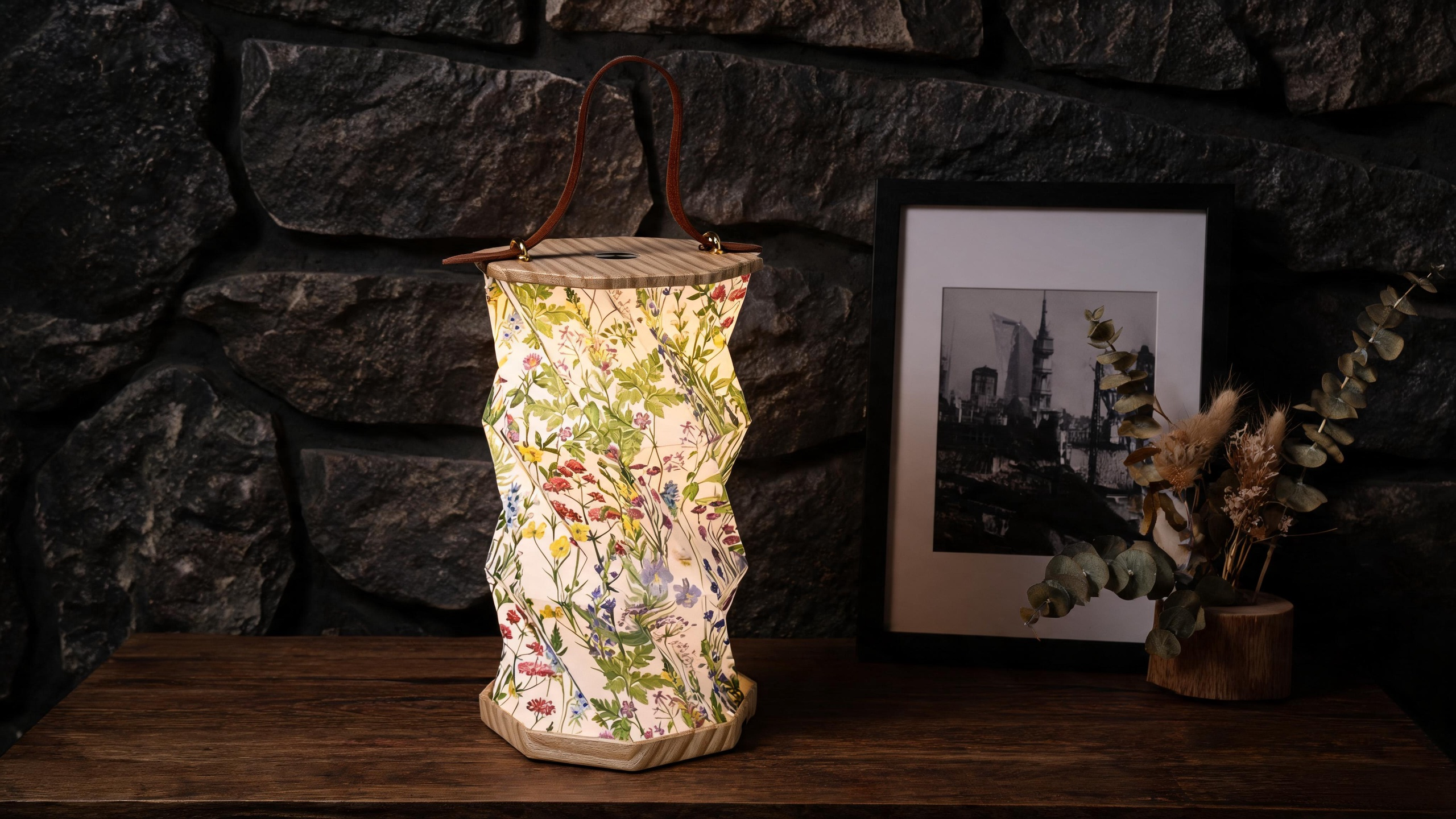
<text>Decorative lighting can serve as both a practical light source and a visual centerpiece.</text>
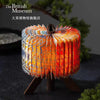
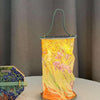
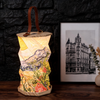
Artistic lamps can introduce color, shape, texture, and atmosphere into a room. They are particularly useful in living rooms, bedrooms, reading corners, and entryways.

Popular design directions include:
-
Sculptural table lamps
-
Artistic bedside lighting
-
Portable decorative lamps
-
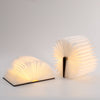
Paper and foldable lamps
-
Artwork-inspired lighting
-
Nature-inspired lamp designs
For retailers, lighting also offers a practical advantage: the product can demonstrate its function while remaining an important part of the room's decoration.
2. Sculptural Decorative Objects
Sculptural objects bring three-dimensional form into an interior.
They can be displayed on shelves, side tables, consoles, desks, or bookcases. Materials may include ceramic, wood, metal, glass, resin, or combinations of different finishes.
Useful design directions include abstract forms, organic shapes, geometric structures, and objects inspired by architecture or nature.
A successful sculptural accessory does not need to dominate the room. Sometimes a small, carefully proportioned object can create the visual contrast a space needs.

3. Artwork-Inspired Home Accessories
Artwork can be translated into many product categories beyond framed prints.
Examples include:
-
Decorative lamps featuring licensed artwork
-
Printed trays
-
Decorative boxes
-
Art-inspired ornaments
-
Tabletop accessories
-
Collectible objects
-
Coordinated home accessory sets
This category is especially relevant to art publishers, museums, artist brands, and retailers developing themed collections.
The key is to adapt the artwork to the product rather than simply reproduce an image without considering its shape, material, or function. Commercial use of protected artwork requires the appropriate rights or licensing.
4. Artistic Vases and Planters
Vases and planters combine practical use with sculptural design.
An unusual silhouette, textured finish, asymmetrical opening, or expressive color can make a simple vessel an artistic accessory.
Retailers can explore several styles:
-
Minimalist ceramic forms
-
Organic-shaped vases
-
Textured planters
-
Color-block designs
-
Handcrafted-looking finishes
-
Botanical-inspired shapes
These products work well as standalone decorative objects or as part of coordinated collections with lighting and tabletop accessories.

5. Decorative Mirrors
Mirrors can make a room feel brighter and visually more spacious, while their frames provide an opportunity for artistic expression.
Interesting directions include irregular outlines, sculptural frames, geometric designs, and frames inspired by natural materials.
For smaller homes and apartments, a well-designed mirror can provide both practical value and a distinctive visual feature.
6. Artistic Trays and Tabletop Objects
Trays, bowls, and small tabletop objects are relatively easy to incorporate into an existing interior.
Their artistic value may come from surface patterns, material combinations, contrasting colors, unusual proportions, or decorative finishes.
They can be displayed on coffee tables, dining tables, desks, and bedside cabinets.
For retailers, these accessories can also create opportunities for coordinated sets, allowing customers to purchase several products that share a consistent visual identity.
7. Artistic Candle Holders and Ambient Accessories
Ambient accessories contribute to the mood of a room.
Candle holders, decorative lanterns, and other atmospheric objects can introduce interesting silhouettes, shadows, and material contrasts.
Designs may draw inspiration from architecture, natural forms, abstract sculpture, or traditional craftsmanship.
When developing retail products in this category, appearance should be balanced with stability, material suitability, and safe use.
8. Nature-Inspired Artistic Accessories
Nature provides an extensive source of artistic inspiration.
Leaves, flowers, branches, landscapes, ocean forms, and geological textures can all influence the design of home accessories.
Rather than creating literal replicas, designers can interpret nature through color, shape, texture, and composition.
For example, a product inspired by a forest might use layered green tones and organic forms. A coastal collection might use fluid shapes, soft blue colors, and textured surfaces.
This approach allows retailers to build cohesive collections without relying on overly obvious decorative symbols.
9. Artistic Bookends and Reading Accessories
Bookshelves are natural spaces for artistic objects.
Bookends, reading lights, decorative bookmarks, and desk accessories can combine practical functions with expressive design.
Potential themes include literature, architecture, abstract art, nature, and cultural heritage.
For bookstores, museum shops, and home décor retailers, reading-related accessories can connect the customer's interest in books with a wider lifestyle collection.
10. Decorative Clocks
A clock can be a functional object and a piece of wall or tabletop décor.
Artistic clock designs may emphasize geometric shapes, unusual materials, minimalist faces, sculptural structures, or decorative color combinations.
The strongest designs maintain readability while giving the object a recognizable visual identity.
For retailers, clocks can fit into both practical home accessory collections and more design-led assortments.
11. Artistic Textiles
Textiles introduce pattern, color, and texture without requiring permanent changes to a room.
Artistic textile accessories include cushions, throws, decorative wall hangings, and table linens.
Design directions may feature abstract artwork, botanical patterns, cultural motifs, geometric compositions, or collaborations with illustrators.
Textiles can also help retailers connect smaller accessories with larger home décor themes, creating a more coordinated collection.
12. Cultural and Heritage-Inspired Décor
Cultural home accessories can communicate a connection to a place, historical tradition, architectural style, or artistic heritage.
Examples include products inspired by:
-
Traditional decorative patterns
-
Historic architecture
-
Regional crafts
-
Local landscapes
-
Museum collections
-
Cultural landmarks
-
Historical artworks
For museum stores, cultural retailers, and destination shops, these products can offer more meaningful alternatives to generic decorative merchandise.
Authenticity matters. Retailers should consider cultural context, accurate storytelling, respectful representation, and relevant permissions when working with protected designs or institutional collections.
13. Personalized Artistic Décor
Personalization can make artistic home accessories more meaningful to individual customers.
Options include customized names, dates, locations, illustrations, colors, and commissioned artwork.
For retail collections, personalization can range from simple variations to more specialized collaborations.
The challenge is to preserve the overall design quality while allowing customers to express their preferences.
14. Artistic Collectibles
Collectible accessories encourage customers to discover and collect products over time.
Collections might be organized around an artist, a design movement, a city, a museum exhibition, a natural theme, or a seasonal concept.
A consistent product format combined with changing artwork or visual themes can help retailers introduce new editions without making every item feel unrelated.
Limited editions can be effective when there is a genuine reason for the edition to be special, such as an artist collaboration, a specific exhibition, or a meaningful cultural occasion.
15. Multifunctional Artistic Accessories
Some of the most interesting home accessories combine creative design with an everyday function.
Examples include:
-
Lamps that also serve as decorative objects
-
Sculptural storage containers
-
Artistic desk organizers
-
Decorative bookends
-
Portable lighting with a distinctive form
-
Functional objects featuring licensed artwork
These products appeal to customers who want attractive interiors but also need their homes to remain practical.
For smaller homes, multifunctional accessories can be particularly useful because they offer visual character without adding unnecessary objects.
How Can Retailers Build an Artistic Home Accessories Collection?
For buyers, the challenge is not simply choosing individual products. It is creating a collection that feels coherent and appeals to a defined customer group.
A useful approach is to organize products around a central creative idea.
Artist Collection: Artwork-inspired lighting, prints, tabletop accessories, and collectibles.
Nature Collection: Botanical accessories, organic-shaped objects, nature-inspired lighting, and decorative planters.
Cultural Collection: Heritage-inspired products, landmark designs, artistic lighting, and destination-related accessories.
Modern Abstract Collection: Sculptural objects, geometric accessories, contemporary lamps, and expressive tabletop products.
When evaluating suppliers, retailers should also consider product quality, customization options, packaging, minimum order quantities, lead times, and the ability to maintain consistent production.
What Makes an Artistic Home Accessory Successful?
An artistic product needs more than an unusual appearance.
Retailers and product developers should consider six factors:
-
Visual identity: Is the design recognizable and distinctive?
-
Scale: Does the product fit naturally into the intended space?
-
Material and texture: Do the finishes support the design concept?
-
Function: Does the product offer practical value where appropriate?
-
Story: Can customers understand what inspired the product?
-
Retail flexibility: Can it fit into a collection or support future designs?
The strongest products balance artistic expression with the way people actually use and display objects in their homes.
Expert Tip
Artistic does not have to mean expensive, complicated, or purely decorative.
A product can feel artistic because of its material, silhouette, color, cultural reference, surface pattern, or innovative function.
For retailers, the opportunity is to identify products that bring creative expression into everyday life. A small decorative lamp, for example, can become more distinctive through carefully selected artwork, a recognizable shape, or a design inspired by a particular place or artist.
The goal is to make art and design accessible through products that people can use, display, and enjoy.
Key Takeaway
Artistic home accessories can help create more expressive interiors while giving retailers opportunities to build distinctive product collections.
The most promising categories include decorative lighting, sculptural objects, artwork-inspired accessories, artistic vases, mirrors, tabletop objects, nature-inspired décor, cultural products, personalized accessories, collectibles, and multifunctional designs.
For retail buyers, the strongest opportunities often lie where art, design, function, material, story, and emotion come together.
At DECO, we develop and manufacture cultural and creative products, particularly decorative and folding lighting, with customization options for artwork, cultural themes, seasonal collections, and retail-specific concepts. Learn more about our capabilities at .
Related Articles
-
Artistic Home Accessories: 15 Stylish Ideas for Modern Interiors
-
Wholesale Home Décor: 15 Product Categories Retailers Can Explore in 2027
-
Wholesale Decorative Lighting: 15 Product Categories Retailers Can Explore in 2027
-
Artist Collection Ideas: 15 Creative Products for Art and Retail Brands
-
Museum Collection Products: 15 Creative Ideas for Museum Retail
-
Cultural Home Décor: 15 Stylish Ideas Inspired by Art, Heritage, and Place
-
Fine Art Retail Trends: 10 Trends Shaping the Art Retail Market in 2026
About the Author
Kairos — Export Director at DECO
Kairos works with international retailers, distributors, cultural organizations, and brands on product development, customization, artwork applications, and retail-oriented cultural and creative products.
About DECO
DECO is a China-based cultural and creative product manufacturer specializing in decorative and folding lighting products. The company develops customizable products for retail, home décor, artistic, cultural, seasonal, and destination-oriented applications.