Classic Art Gifts: How to Choose Meaningful Gifts Inspired by Timeless Art

Classic Art Gifts: How to Choose Meaningful Gifts Inspired by Timeless Art
Introduction
Why do some works of art remain meaningful for generations?
A painting may remind someone of a favorite museum visit. An artistic composition may reflect a personal interest in history, nature, or culture. For another person, a familiar masterpiece may simply bring beauty and inspiration into everyday life.
This emotional connection is what makes classic art gifts different from ordinary merchandise.
For art lovers, a well-chosen product offers a way to enjoy art beyond a gallery or museum. For retailers, museums, art publishers, and licensing businesses, classic art provides an opportunity to develop products that connect cultural heritage with contemporary lifestyles.
However, successful art-inspired products require more than printing a famous painting onto an object. The artwork, product format, intended customer, and retail context must work together.

What Makes a Classic Art Gift Meaningful?
A classic art gift usually succeeds for one or more of three reasons.
It connects the recipient with an artwork they appreciate.
A product featuring a familiar painting or artistic style can feel personal to someone who has a genuine interest in art.
It brings artistic expression into everyday life.
An art book, decorative object, or lamp can allow someone to experience a favorite artistic theme at home rather than only in a museum.
It tells a story.
The story may come from the artist, historical period, cultural background, museum collection, or place associated with the artwork.
For retailers, understanding these motivations is useful because it helps determine which products belong in a particular collection and how they should be presented to customers.

Choose the Right Gift for the Art Lover
Not every art lover wants the same kind of gift. The recipient's interests and lifestyle are often more important than the fame of the artwork.
For someone who loves visiting museums
Museum publications, exhibition catalogs, art prints, and collection-inspired merchandise can help extend the museum experience beyond the visit.
Products associated with a specific exhibition may be especially meaningful when they reflect what the recipient enjoyed seeing.
For someone who decorates their home around art
Artwork-inspired home accessories, decorative objects, and artistic lighting can bring a favorite visual style into a living space.
The most successful choices complement the recipient's interior rather than competing with it. Color, scale, material, and overall design are all worth considering.
For someone who enjoys collecting
Limited editions, artist collaborations, and carefully designed collectible objects may appeal to people who enjoy discovering new pieces over time.
A clear connection between the product and the artist, artwork, or collection adds context to the purchase.
For someone who enjoys practical gifts
Not every art-inspired gift needs to be purely decorative.
Stationery, reading accessories, functional home décor, and decorative lighting can combine everyday usefulness with artistic expression.
This is an important opportunity for retailers: the artwork creates the visual identity, while the product's function gives customers another reason to use it.
Why Classic Art Works Beyond Prints and Posters
Prints and posters remain familiar ways to enjoy art, but they represent only one part of the market.
Art can also be translated into objects that have a practical role or a different display experience.
Consider decorative lighting.
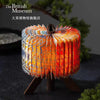
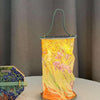
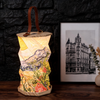
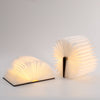
A traditional print is generally viewed as a flat image. An artwork-inspired lamp can introduce the same artistic reference through a combination of printed surfaces, structure, light, and atmosphere.
Other formats offer different experiences:
-
Art books provide historical context and interpretation.
-
Decorative objects introduce artwork or artistic motifs into a room.
-
Textiles integrate artistic patterns into everyday surroundings.
-
Stationery makes art part of writing, studying, or journaling.
-
Collectibles allow customers to build a themed collection.
The important principle is to choose a format that complements the artwork rather than forcing every image onto the same type of product.
How Retailers Can Turn Classic Art Into a Product Collection
For museum stores, art publishers, specialist retailers, and licensing companies, the opportunity extends beyond developing one successful item.
A well-planned collection can begin with a central artistic concept and expand into several complementary product formats.
For example, a collection based on a licensed painting might include:
-
A high-quality art print
-
A notebook or journal
-
A decorative home accessory
-
A collectible object
-
A decorative lamp
-
A coordinated gift set
Not every artwork suits every product. A detailed composition may work particularly well on a print, while a strong color palette or recognizable visual element may translate more effectively to a smaller object.
Retailers should consider the target audience, display requirements, expected retail price, product function, and licensing scope before deciding which formats to develop.
This approach also helps establish a consistent collection identity across multiple products.
The Role of Art Licensing in Product Development
When classic artwork is used commercially, intellectual property needs to be considered from the beginning.
Some older works may be in the public domain in particular jurisdictions, but that does not automatically mean every photograph, reproduction, digital file, trademark, or museum-associated asset is free to use.
Before production, businesses should verify the status of the specific artwork and any relevant image rights, trademarks, contractual restrictions, or institutional requirements.
For licensed projects, the agreement should clearly define permitted product categories, territories, sales channels, production quantities, approval procedures, and other applicable terms.
This is particularly important when artwork is being adapted to a new product format.
A design that works on paper may need adjustments to fit a curved surface, a folded structure, a textile, or a light-emitting product. The development process should preserve the artwork's recognizable qualities while meeting the technical requirements of the product.
What Should Buyers Consider Before Developing Art Gifts?
For B2B buyers, choosing the artwork is only the first step. The next decision is whether the concept can become a commercially viable product.
A practical evaluation should cover five areas.
1. Audience fit
Does the artwork appeal to the retailer's customers? A museum shop, design store, bookstore, and general home décor retailer may have different expectations.
2. Product suitability
Does the artwork work with the proposed size, material, structure, and function? Is the visual impact strong enough in the finished format?
3. Retail positioning
Can the product fit the intended price range and merchandising strategy? Does it have enough visual appeal to stand out in a physical store or online listing?
4. Production feasibility
Can the supplier reproduce the design consistently? Are printing quality, materials, packaging, sampling, and lead times appropriate for the project?
5. Collection potential
Could the concept support additional artworks, related products, seasonal editions, or future collaborations?
Evaluating these questions early helps buyers avoid spending time on concepts that are visually attractive but difficult to manufacture or sell.
Why Functional Art Products Offer New Opportunities
One interesting direction for art-inspired merchandise is the combination of artistic identity and practical function.
Consumers do not always want another item that needs to be stored or displayed without serving a purpose. Functional art products can give customers an additional reason to bring artistic design into their homes.
Decorative lighting is one example because it combines visual presentation with illumination.
For retailers, it can also create new ways to merchandise artwork. Instead of organizing a collection entirely around prints, buyers can explore lighting, home accessories, and other products that share a visual theme.
For manufacturers, this requires collaboration between artwork adaptation, product design, material selection, printing, and production planning.
The result should feel like a thoughtfully developed product rather than an ordinary object with artwork added as an afterthought.
Expert Tip: Start With the Artwork, Not the Product
When developing a classic art collection, avoid deciding on a product format before considering the artwork.
First, identify what makes the artwork distinctive: its composition, colors, subject, historical context, or emotional appeal.
Then consider which product format can best preserve those qualities.
A detailed landscape may suit a large printed surface. A composition with strong colors may translate well into a decorative object. An artwork with a recognizable visual identity may support a broader licensed collection, provided the rights allow those applications.
The best product format is the one that allows the artwork and the product to strengthen each other.
Key Takeaway
Classic art gifts offer a way to connect artistic heritage with modern life. Their appeal comes not only from famous names or recognizable paintings, but also from the personal meaning, design quality, and experience they offer.
For consumers, the best gift reflects the recipient's interests and lifestyle. For retailers and licensing businesses, the opportunity lies in selecting suitable artwork, choosing the right product format, and developing a coherent collection.
At DECO, we manufacture cultural and creative products, particularly decorative and folding lighting, with customization options for approved artwork, cultural themes, exhibitions, and retail collections. For art publishers, licensing businesses, museums, and retailers, this creates an opportunity to explore how artwork can be translated into functional decorative products.
Learn more about DECO's manufacturing capabilities at .
Related Articles
-
Art Lover Gift Ideas: 15 Creative Gifts for People Who Love Art
-
Museum Collection Products: 15 Creative Ideas for Museum Retail
-
Artistic Home Accessories: 15 Stylish Ideas for Modern Interiors
-
Artist Collection Ideas: 15 Creative Products for Art and Retail Brands
-
Famous Painting Gifts: 15 Creative Art-Inspired Gift Ideas for 2027
-
Wholesale Museum Gifts: 15 Product Ideas for Museum Stores in 2027
About the Author
Kairos — Export Director at DECO
Kairos works with international retailers, distributors, cultural organizations, and brands on product development, customization, artwork applications, and retail-oriented cultural and creative products.
About DECO
DECO is a China-based cultural and creative product manufacturer specializing in decorative and folding lighting products. The company develops customizable products for retail, home décor, artistic, cultural, seasonal, and destination-oriented applications.