Best Products for Museum Shops
Best Products for Museum Shops
Museum shops have evolved far beyond postcards, magnets, and traditional souvenirs.
Today, visitors increasingly expect museum stores to offer products that connect with the museum's art, history, culture, exhibitions, and identity, while also being attractive and useful in everyday life.
For museum retailers, the challenge is finding products that are both culturally meaningful and commercially attractive.
So, what are the best products for museum shops?
Short Answer
Some of the strongest museum shop product categories include:
- Art-inspired home décor
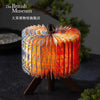
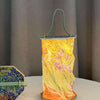
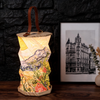
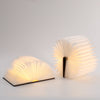
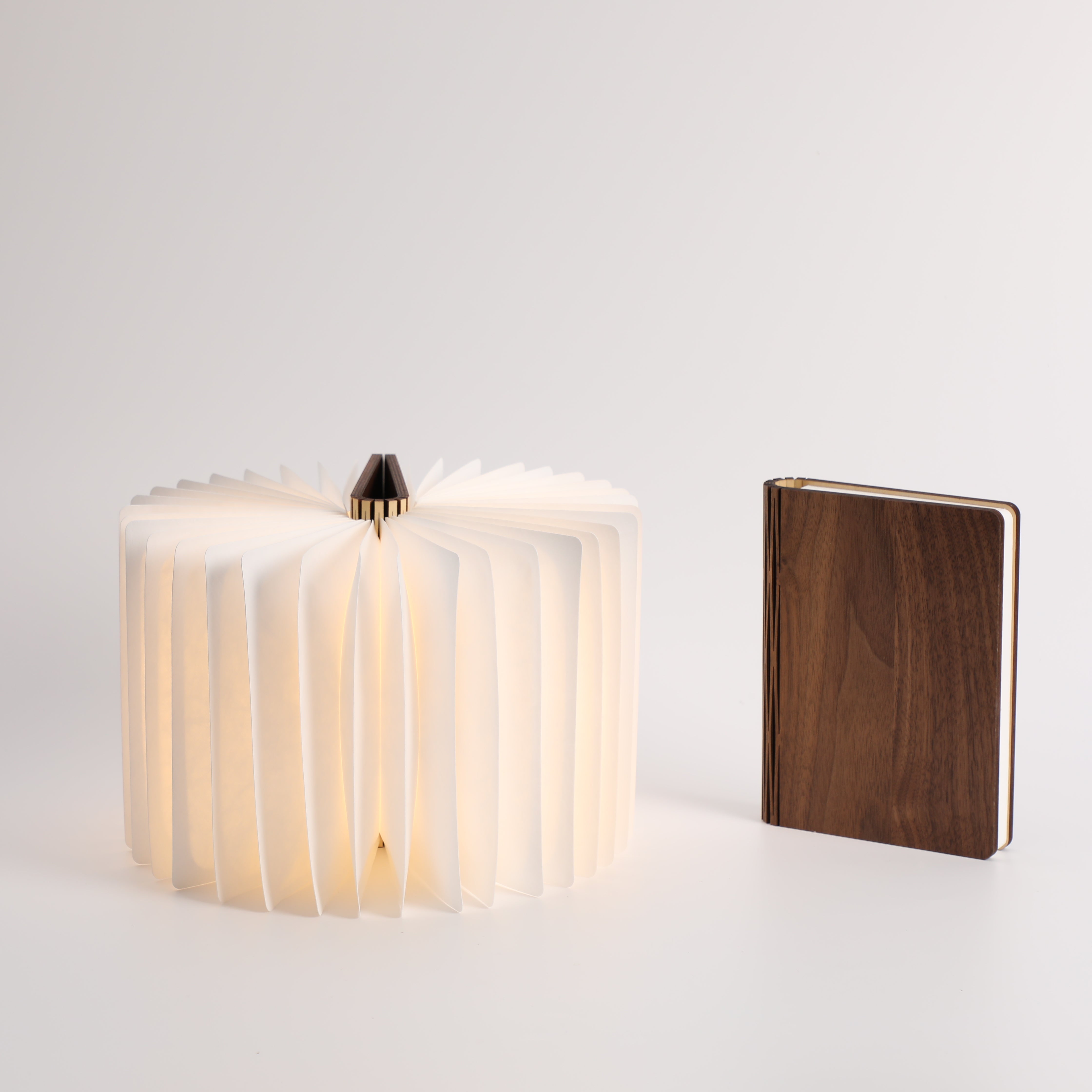
- Decorative lighting
- Books and art prints
- Stationery and journals
- Artist collaboration products
- Exhibition merchandise
- Jewelry and accessories
- Collectibles
- Museum-exclusive products
- Sustainable lifestyle products
- Small travel-friendly souvenirs
- Functional cultural products
The best products usually combine story, design, function, and a clear connection to the museum.

1. Art-Inspired Home Décor
Home décor is a natural category for museums because artwork can be transformed into products people want to live with.
Popular possibilities include:
- Decorative objects
- Wall décor
- Sculptural pieces
- Cushions and textiles
- Vases and containers
- Decorative lighting
- Small furniture and accessories
The key is to go beyond simply printing an artwork onto an existing product.
A stronger product interprets the artwork through shape, color, material, structure, or function.

2. Decorative Lighting
Lighting can create a particularly strong connection between art and everyday life.
An artwork, illustration, pattern, or museum collection can be transformed into a decorative lamp that visitors can use at home.
This type of product offers several advantages:
- Combines art and function
- Creates a strong visual display
- Works well as home décor
- Can be developed around specific artworks
- Can support exhibition collections
- Offers opportunities for premium positioning
For museums with strong visual collections, lighting can become an interesting alternative to traditional printed merchandise.
3. Art Books and Prints
Books and prints remain important museum shop categories because they allow visitors to continue exploring the museum's collection after their visit.
Common products include:
- Exhibition catalogs
- Artist books
- Art prints
- Posters
- Photography books
- Illustrated books
- Museum publications
These products are particularly effective when connected to a major exhibition or well-known artist.
4. Stationery and Journals
Stationery remains attractive because it is relatively affordable, easy to display, and easy for visitors to carry.
Examples include:
- Notebooks
- Journals
- Sketchbooks
- Greeting cards
- Pens
- Pencils
- Bookmarks
- Calendars
Museum artwork can give ordinary stationery a distinctive visual identity.
For visitors who want a small reminder of their museum experience, stationery is often an easy purchase.

5. Artist Collaboration Products
Artist collaborations can make museum retail collections feel more exclusive.
Museums can work with:
- Contemporary artists
- Illustrators
- Designers
- Craft artists
- Local creators
Collaborations can produce limited collections across multiple product categories.
The advantage is that the product becomes more than museum merchandise—it becomes a creative collaboration with its own story.
6. Exhibition-Specific Merchandise
Temporary exhibitions provide museums with opportunities to create products that are available for a limited period.
For example, an exhibition could inspire:
- Special-edition products
- Artwork-based accessories
- Decorative objects
- Lighting
- Stationery
- Collectibles
- Exhibition packaging
Limited availability can also create a sense of urgency and encourage visitors to purchase during their visit.
7. Collectibles and Limited Editions
Collectors are an important audience for museum stores.
Products can be designed as:
- Numbered editions
- Artist editions
- Exhibition editions
- Museum anniversary products
- Reproductions
- Small sculptures
- Design objects
Limited editions work particularly well when the product has a strong story and clear connection to the museum's collection.
8. Cultural and Historical Products
History museums and cultural institutions can develop products based on their unique collections.
Potential themes include:
- Historical objects
- Traditional patterns
- Architecture
- Local culture
- Ancient civilizations
- Historical figures
- Regional craftsmanship
The product should make the cultural story easy to understand.
A small product with good storytelling can sometimes communicate cultural heritage more effectively than a traditional souvenir.

9. Functional Lifestyle Products
One of the most interesting directions in museum retail is turning cultural content into products people can actually use.
Examples include:
- Home accessories
- Lighting
- Kitchen products
- Bags
- Textiles
- Desk accessories
- Travel accessories
- Everyday objects
This approach changes the role of the museum souvenir.
Instead of:
“I bought something from the museum.”
The customer thinks:
“I bought something beautiful that also reminds me of the museum.”
10. Small and Travel-Friendly Souvenirs
Museum stores also need products that are easy for tourists to carry.
Good travel-friendly products are generally:
- Lightweight
- Compact
- Durable
- Easy to package
- Easy to display
- Suitable for luggage
This is particularly important for museums located in major tourist destinations.
A beautiful product becomes much easier to purchase when the visitor doesn't have to worry about how to transport it home.
11. Sustainable Products
Sustainability can also influence museum retail product development.
Museums may look for products that use:
- Recycled materials
- Responsible materials
- Minimal packaging
- Reusable components
- Durable construction
However, sustainability should not come at the expense of design.
The strongest products combine:
Sustainable thinking + Good design + Cultural relevance + Practical use
12. Museum-Exclusive Products
Perhaps the most valuable category is the product that visitors cannot easily find somewhere else.
Museum-exclusive products can be developed around:
- A museum's permanent collection
- A particular artwork
- A special exhibition
- A museum building
- An artist
- A cultural symbol
- A historical story
Exclusivity gives visitors a reason to purchase directly from the museum shop rather than searching for a similar product elsewhere.
What Makes a Museum Shop Product Successful?
The best museum products usually meet several criteria:
1. It has a clear cultural connection
Visitors immediately understand why it belongs in the museum.
2. It has strong visual appeal
The product catches attention on the shelf and online.
3. It has practical value
Customers can use or display it after returning home.
4. It tells a story
The product gives customers something meaningful to remember.
5. It feels exclusive
It offers something they cannot easily find elsewhere.
6. It fits the target price
The product works for the museum's visitor demographics and retail strategy.
7. It is easy to take home
Especially important for international and tourist visitors.
Expert Tip
Don't build a museum shop entirely around traditional souvenir categories.
Instead, think about your collection as a source of product inspiration.
One artwork could potentially become:
Artwork → Pattern → Product → Collection → Exhibition Merchandise
For example, one museum artwork might inspire a decorative lamp, notebook, poster, textile product, and collectible.
This creates a much stronger retail ecosystem than simply putting the same artwork on different products.
Key Takeaway
The best products for museum shops are not necessarily the most traditional souvenirs.
They are products that successfully combine:
Art + Culture + Story + Design + Function
Museum retailers have an opportunity to transform their collections into products that visitors can use, display, collect, and remember long after leaving the museum.
For museums looking to develop new merchandise, the most promising opportunities are often found at the intersection of art-inspired design, functional products, exclusive collections, artist collaborations, and cultural storytelling.
Related Articles
- How Museums Choose Souvenirs
- Museum Retail Trends
- What Sells Best in Museum Gift Shops?
- Best Museum Souvenir Products
- How Museums Create Exclusive Merchandise
- Museum Artwork Licensing: How It Works
- Artist Collaborations in Museum Retail
- How to Increase Museum Gift Shop Sales
- Best Products for Cultural Institutions
- How to Develop Products from Artwork
About the Author
Kairos is an international business professional specializing in cultural and creative product development, OEM/ODM manufacturing, and global B2B markets. His work focuses on helping businesses transform artwork, creative concepts, and cultural themes into commercially viable products.
About DECO
DECO is a China-based creative product manufacturer specializing in customized decorative lighting, folding lamps, cultural merchandise, and art-inspired products.
DECO supports museums, cultural organizations, retailers, and creative brands with custom artwork applications, artist collaborations, exhibition collections, museum merchandise, and OEM/ODM product development.
From product development and material selection to customization, packaging, and mass production, DECO helps turn cultural and creative concepts into physical products suitable for modern retail.